
Entertainment Ideas for Corporate Events That Wow Your Audience
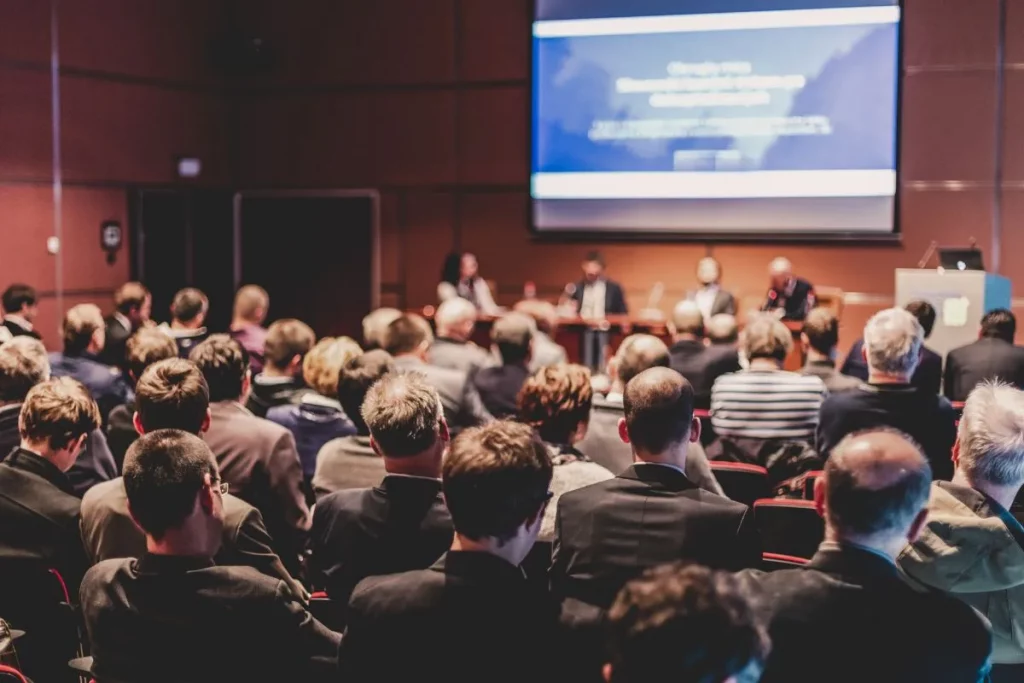
Corporate events are no longer just about boardroom presentations and name badges. Today’s most successful companies understand that the right entertainment ideas for corporate events can transform an ordinary gathering into a memorable experience that builds culture, strengthens relationships, and amplifies brand messaging. If you are planning a corporate event in Washington, DC, choosing the right entertainment can be the difference between an event people forget by Monday and one they talk about for years. Whether you are organizing an annual meeting, a product launch, a brand activation, or a company celebration, this guide is packed with entertainment ideas for corporate events that engage every type of audience. From interactive experiences and live performances to cutting-edge technology and creative storytelling, these ideas will help you plan an event your attendees will truly remember. Why Entertainment Matters at Corporate Events Before diving into specific ideas, it is worth understanding why entertainment deserves a prominent place in your event budget. According to a 2024 report by the Events Industry Council, 78% of attendees said that memorable experiences were the top factor in their overall satisfaction with a corporate event. Entertainment does more than fill time between sessions. It sets the tone, reinforces your brand identity, creates networking opportunities in relaxed settings, and boosts attendee energy levels throughout the day. In a city like Washington, DC, where professionals attend dozens of events each year, standing out requires a thoughtful approach to how you engage your audience beyond the standard agenda. The best event production teams understand that entertainment is not an afterthought. It is a strategic element woven into the fabric of the entire event experience. Live Performances That Energize the Room Nothing grabs attention quite like a live performance. The energy in the room shifts instantly when a talented performer takes the stage, and it is one of the most reliable ways to create emotional impact at any corporate gathering. Live Bands and Musicians A classic choice that never goes out of style. For Washington, DC events, consider booking a jazz ensemble that nods to the city’s rich musical heritage, or a high-energy cover band that gets people on the dance floor during evening receptions. Live music works beautifully for galas, award ceremonies, holiday parties, and networking events. Spoken Word Artists and Poets These performers bring a unique, thought-provoking element to corporate programming. They can customize performances around your event theme or company values, creating a deeply personal touch that resonates with attendees long after the event ends. Comedy Acts A professional corporate comedian can tailor their set to your industry, keeping the humor relevant and appropriate while giving attendees a shared moment of laughter. This is particularly effective for team-building events and end-of-conference celebrations. Professional event management ensures that live performances are seamlessly integrated into your event timeline, with proper staging, lighting, and sound so every seat in the house has a great experience. Interactive Experiences That Drive Engagement The days of passive audiences are over. Modern corporate event entertainment is all about participation, and interactive experiences consistently rank among the most popular entertainment ideas for corporate events in Washington, DC and beyond. Photo Booths With a Twist These have evolved far beyond the simple strip of photos. Today’s options include 360-degree video booths, augmented reality mirrors, green screen stations with custom branded backgrounds, and instant GIF stations. These create shareable content that extends your event’s reach on social media while giving attendees a fun memento. Gamification Stations Friendly competition on the event floor keeps energy levels high. Think trivia challenges tied to your company history, digital scavenger hunts that encourage attendees to explore the venue, or leaderboard-style competitions with prizes. Gamification boosts engagement, increases networking, and keeps energy levels high between sessions. Hands-On Workshops Attendees love taking something tangible away from an event. Mixology classes, art sessions, cooking demonstrations, or even tech-focused workshops like drone flying or VR experiences give people a reason to interact and collaborate outside the usual business context. Interactive Art Installations These create stunning visual centerpieces while inviting attendees to contribute. Collaborative murals, digital graffiti walls, or light-based installations double as conversation starters and branded photo opportunities. Technology-Driven Entertainment Ideas for Corporate Events Technology continues to reshape what is possible at corporate events, and Washington, DC audiences tend to be especially receptive to innovative, forward-thinking experiences. Augmented and Virtual Reality Experiences These allow attendees to step into immersive brand stories. Imagine a product launch where guests can virtually explore a new facility, or a conference where VR stations let attendees experience your company’s impact around the world. These high-tech moments create powerful emotional connections that traditional presentations simply cannot match. LED and Projection Mapping This technology transforms ordinary venues into breathtaking visual environments. Walls, stages, and even ceilings become dynamic canvases that respond to music, speakers, or audience interaction. For conferences and galas at iconic Washington, DC venues, projection mapping adds a level of sophistication that elevates the entire atmosphere. Live Polling and Audience Response Systems These tools turn passive listeners into active participants during keynotes and panel discussions. Real-time polls, word clouds, and Q&A platforms displayed on large screens make attendees feel heard and keep sessions dynamic. AI-Powered Personalization An emerging trend worth watching. From AI-generated caricatures to personalized event recommendations delivered through a custom app, artificial intelligence adds a layer of customization that makes every attendee’s experience feel unique. Working with a team that specializes in event creative design ensures that technology-driven entertainment aligns with your brand story and delivers the visual impact your event deserves. Team-Building Entertainment That Strengthens Connections Corporate events often serve a dual purpose: delivering content and building stronger teams. The right entertainment can accomplish both at the same time. Escape Room Challenges A proven favorite for team building. Portable escape rooms can be set up at virtually any venue and customized with company-specific themes or branding. They require collaboration, communication, and creative thinking, making them ideal for corporate groups. Drum Circles and Group Music-Making These sessions break down
DC Restaurant Week 2026: Best Picks for Conferences

Experience the Best of DC Restaurant Week January 19–25, 2026 | Hundreds of DMV Spots | Prix-Fixe Deals Starting at $25 Every year, dozens of Washington, D.C. restaurants participate in Restaurant Week, thanks to the Restaurant Association of Metropolitan Washington. This year’s Restaurant Week is coming up soon, running from the 19th-25th of January, with great deals to enjoy all over DC (as well as Maryland and Virginia). Some of the best restaurants in the area are offering fixed-price three-course dinners for as low as $40 per person. This is the best opportunity of the year for event managers, event producers, and any event industry professionals to take advantage of the world-class food scene that DC has to offer. A Global Culinary Destination While most people know DC as the political capital of the country, there is much more to see here than monuments and government buildings. Thanks to the rich, diverse cultural makeup, the DC area is home to many different establishments representing cuisines from all over the globe. Depending on where you are in and around the District, you might find some of the best Ethiopian, El Salvadoran, or Korean food anywhere in the country. And that is on top of the incredible steakhouses and traditional American restaurants we have to offer. No matter what your tastes are, the DC area will surely surprise you with options you never would have imagined you could find here. Strategic Research for Event Professionals For local Event Industry Professionals, this is a great opportunity to do some in-person research on potential dine-around and catering partners. If you have managed a high-level private dining event before, then you know that the quality of service is just as important as the quality of food. Restaurant week lets our team at Decibel Events see firsthand not just how the food is, but how well these businesses can handle high volume events with not many empty seats and an emphasis on serving large groups of people in a smooth, efficient and stress-free way for the customer. In many ways, events like Restaurant Week can be looked at as trial runs for how a given establishment might do during a private event. Be sure to keep an eye out for potential assets to keep in mind for future private events. An attentive service staff, for example, could help you choose a new restaurant for your corporate event or for a dining option near your next Corporate Conference or DC Meeting. If there is one thing we have found that our clients appreciate, it is consistency. Restaurant Week can serve as a kind of stress-test for local businesses, and give our team and producers a chance to see if they can maintain a consistent quality of service in the face of large crowds and not a lot of downtime. With all that in mind, we’re highlighting some standout participating spots our team has on our radar. We might even drop by next week to check them out firsthand! Our Picks: Restaurants Decibel Events Is Eyeing This Week AMBAR Capitol Hill, Clarendon VA, Shaw In a city overflowing with bottomless brunches, AMBAR stands out as an award-winning local chain specializing in all-you-can-eat Balkan cuisine. Inspired by dishes from across the Balkan Peninsula—like Ajvar (red pepper and eggplant spread), Sujuk (Balkan beef sausage) flatbread, and pork belly-stuffed cabbage, this family of restaurants delivers bold flavors. Beyond Restaurant Week, their Unlimited Dinner menu offers unlimited small plates for $50–$55 per person, a rare deal in DC. Perfect for groups or conference dine-arounds! BAR CHARLEY Adam’s Morgan, Dupont Circle Nestled on 18th Street halfway between Adams Morgan and Dupont Circle, BAR CHARLEY is a beloved gastropub known for steaks, burgers, and weekly specials. Highlights include Sunday Steak Night ($19.95 steak frites + 25% off other steaks) and Wednesday Pasta & Prosecco (salad, bread, pasta, and 2 hours bottomless prosecco/wine for $47.95). With great bars and restaurants nearby, it’s an ideal starting point for evening outings which is great for event planners exploring new favorites in the area. BRESCA U Street Corridor BRESCA, one of DC’s Michelin-starred gems, is a contemporary French bistro using locally sourced ingredients for top-tier Parisian cuisine in the U Street Corridor. It made history as DC’s first carbon-neutral restaurant in 2018 and continues to earn national acclaim for exceptional food and service. For 2026 Restaurant Week, enjoy a three-course menu for $65 or five-course for $95. Limited walk-ins so you should book reservations early! MALLARD 14th Street MALLARD, from Neighborhood Restaurant Group, brings Southern classics like shrimp and grits or chicken and dumplings with fresh, modern twists. Chef Hamilton Johnson’s cozy, cabin-like dining room transports you to lowcountry South Carolina kitchens, away from DC’s hustle. A welcoming spot for relaxed yet elevated group dining during conferences or events. MARCUS DC The Morrow Hotel, NoMa/Union Market MARCUS DC, by world-renowned chef Marcus Samuelsson, is a vibrant new addition blending Afro-Caribbean, Ethiopian, and modern American flavors. Signature dishes include tamarind-braised lamb shoulder and New York Strip with Ethiopian spice encrusting, creating unforgettable, innovative experiences. Located in the Morrow Hotel, it’s a compelling choice for conference groups seeking diverse, high-energy dining. ZEPPELIN Shaw Since 2019, ZEPPELIN has offered some of DC’s best sushi, led by Tokyo-native Chef Minoru Ogawa from a family of master sushi chefs. Enjoy premium sashimi, nigiri, maki, plus traditional items like Donburi (rice bowls with crispy chicken curry) and Kushiyaki (charcoal-grilled meats). Neighborhood vibe turns into a karaoke lounge Thursday–Saturday nights. Try A5 Japanese wagyu or the freshest salmon, perfect for fun group nights (with a fun warning: alcohol may lead to impromptu singing!) Browse Full List & Reserve Now → FAQ: Washington DC Event Planning and Restaurant Week Strategy What is Metropolitan Washington Winter Restaurant Week? Every year, dozens of Washington, D.C. restaurants (plus Maryland and Virginia spots) participate in Restaurant Week, presented by the Restaurant Association Metropolitan Washington (RAMW). This winter edition runs January 19–25, 2026, with some venues extending dates. Enjoy
How CMP Certification Elevates Your Event Career
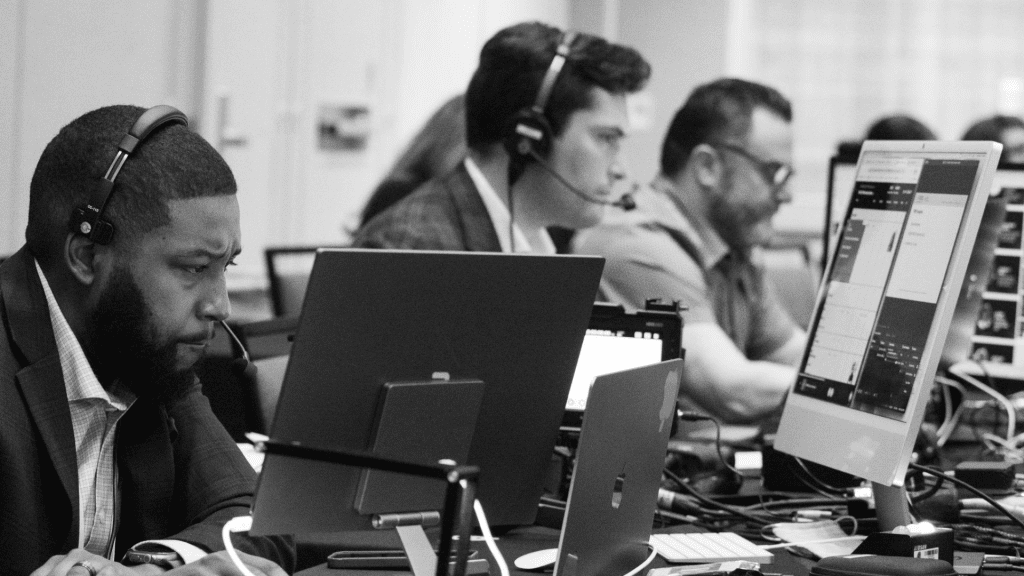
In today’s fast-evolving events world, gatherings are no longer simple meetings. They’re transformative experiences. Excellence, precision, innovation, sustainability, and inclusivity are non-negotiable. That’s where the Certified Meeting Professional (CMP) credential shines: it’s the global gold standard for event mastery. At Decibel Events, we’re deeply committed to this standard, not only for our business, but to foster the personal and professional growth of our team. We actively encourage and fully fund our staff to pursue CMP certification, recognizing it as an investment in excellence that benefits everyone: our people, our clients, and the industry. We are thrilled to announce that two of our stars, Eric Bibbs, CMP, and Josh Weatherhead, CMP, have both earned this prestigious designation. Their achievement highlights how CMP drives personal growth and delivers superior results for producers and stakeholders. What Is CMP? The Industry’s Premier Benchmark Administered by the Events Industry Council (EIC), CMP demands proven expertise across planning, execution, and evaluation. To qualify, candidates must have at least three years of full-time industry experience (or equivalent), complete 25 hours of continuing education, and pass a rigorous exam. The exam itself is a 3.5-hour, computer-based test featuring 165 multiple-choice questions (150 scored, plus 15 pretest). Delivered at Prometric centers or via remote proctoring, it emphasizes scenario-based questions that test practical application in real-world situations. Updated in August 2025 and fully aligned with the revised CMP International Standards, the exam now places greater weight on emerging priorities. Key updates include new or expanded domains such as Sustainability and Social Impact, Technology Integration, and Evaluation Process, alongside increased focus on risk management, stakeholder management, and talent management. Overall, it covers essential areas like strategic planning, event design, operations and logistics, financial management, site management, and marketing/communication. These changes ensure CMPs are equipped for hybrid events, ethical practices, AI tools, inclusivity, and measurable impact. Held by over 13,000 professionals worldwide, CMP is a commitment to excellence in an industry worth trillions. Why Producers Need CMP Talent For producers crafting conferences, festivals, trade shows, or activations, CMP-certified team members deliver clear wins: Reduced risk and greater efficiency in budgeting, venues, and crisis response Higher attendee satisfaction, stronger ROI, and fewer hiccups Average $10,000 higher annual earnings for CMPs. This is proof of their market value In a post-pandemic landscape dominated by hybrid formats and attendee well-being, CMPs excel at weaving in health protocols, digital tools, AI personalization, and inclusive design. Partnering with them ensures forward-thinking events that embrace 2025 to 2026 trends: unconventional venues, flexible schedules, and bold social responsibility. Spotlight on Our CMP Stars: Eric Bibbs & Josh Weatherhead Both Eric and Josh’s strategic design expertise and operational precision have inspired us and long impressed our clients at Decibel Events. Their new CMP certifications, earned through intense preparation and success on the updated exam, reflect the dedication that fuels innovation at Decibel Events. With the 2025 CMP updates spotlighting sustainability and tech, areas where both Eric and Josh already excel, they’re poised to create even more memorable, impactful experiences in the new year. “Earning my CMP is a proud milestone that strengthens the foundation I’ve built over 20+ years in event production. It reinforces my commitment to strategic planning, continuous growth, operational excellence, and delivering experiences that truly move the needle for our clients.” — Eric Bibbs, CMP, Decibel Events “Receiving a CMP certification strengthens my position in the events industry and is a reflection of exactly who we are at Decibel Events. I’m proud to continue growing my knowledge and expertise in the Industry, and I can’t wait to show off what’s next.” — Josh Weatherhead, CMP, Decibel Events The Bigger Picture: CMP Shaping Tomorrow’s Events Looking to 2026 and beyond, CMPs lead the charge in planning and producing events for corporations, federal agencies, and associations and are concentrating on carbon-neutral events, ethical supply chains, data-driven decisions, and true inclusivity. They build resilience against economic shifts and tech disruptions while sparking creative collaborations through global networks. Ultimately, CMP elevates a client’s entire events ecosystem. Professionals like Eric and Josh at Decibel Events remind us of the magic that is possible in every gathering. Whether you’re a producer with a bold vision or a stakeholder seeking inspiration, working with CMP-certified expertise turns ideas into enduring, inspiring realities. At Decibel Events, as active MPI members, we’re all in on this journey. We constantly sharpen our skills to seize today’s opportunities and shape tomorrow’s successes. Ready to elevate your next event with CMP-certified expertise? Contact Decibel Events today to discuss how our team can bring precision, innovation, and unforgettable impact to your vision. Let’s create something extraordinary together. FAQ: CMP Certification and Event Excellence at Decibel Events What is the Certified Meeting Professional (CMP) certification? The CMP is the events industry’s premier global credential, administered by the Events Industry Council (EIC). It recognizes professionals with proven expertise in planning, executing, and evaluating meetings and events. Held by over 13,000 professionals worldwide, it demonstrates commitment to excellence, ethics, and best practices. Who administers the CMP certification? The CMP is managed by the Events Industry Council (EIC), with strong support from organizations like Meeting Professionals International (MPI). Decibel Events is an active MPI member, and we proudly support our team in achieving this standard. What are the requirements to earn CMP certification? Candidates need at least three years of full-time event industry experience (or equivalent), 25 hours of continuing education, and must pass a rigorous 165-question exam (150 scored). The exam is 3.5 hours long, computer-based, and available at Prometric centers or via remote proctoring. What changed in the 2025 CMP exam updates? The exam was fully updated in August 2025 to align with revised CMP International Standards. New or expanded domains include Sustainability and Social Impact, Technology Integration, and Evaluation Process, with greater emphasis on risk management, stakeholder management, talent management, hybrid events, AI tools, and inclusivity. Why is CMP certification important in today’s events industry? In a post-pandemic world of hybrid formats, sustainability demands, and tech-driven experiences, CMPs ensure events are innovative,
The 2025 Oscars: A Behind-the-Scenes Look at the Grand Spectacle

The 97th Academy Awards, held on March 2, 2025, at the iconic Dolby Theatre in Los Angeles, was a night to remember. Beyond the glamorous red carpet and emotional acceptance speeches, the event featured highly detailed innovative design and showcased exemplary preparation and event planning. As any experienced event planner knows, even the most carefully orchestrated productions must be prepared for the unexpected—showcased by Ben Stiller’s hilarious stage mishap and the length of Adrien Brody’s record-breaking acceptance speech. Executive Producers: Crafting a Vision Raj Kapoor and Katy Mullan: The Creative Architects Returning for their second consecutive year, Raj Kapoor and Katy Mullan served as the executive producers of the 2025 Oscars. Their collaboration in the previous year earned them an Emmy, setting high expectations for this year’s ceremony. Their extensive experience in event planning, ranging from the Super Bowl and Olympic Opening Nights, to The Grammys and The Voice culminated with the creation of the production team’s triangular uprising set design, showcasing each presenter with a delightful, pointed, and stunning ethos. In search of a host to usher the night’s proceedings, they looked to Conan O’Brien to deliver a performance that was both commercially successful and uniquely his own. To their delight, his distinctive comedic style resonated with audiences and contributed to the ceremony achieving its highest ratings in five years. Stage Design: Bringing the Vision to Life Misty Buckley and Alana Billingsley: The Designers Behind the Magic The responsibility of translating the producers’ vision into a tangible experience fell to production designers Misty Buckley and Alana Billingsley. Both returning from the previous year’s acclaimed show, their design for the 2025 Oscars was nothing short of spectacular. Conceptualizing the Stage: A Rising Ash In the wake of the devastating fires that burned over 37,000 acres of land and destroyed 16,000 structures throughout LA, stage designers looked to portray a recovering community with strength. The stage design was conceived as “a monolithic structure soar[ing] from the ground like a phoenix from the ashes,” wrote Buckley on Instagram. “The temple-like architecture was intended to feel both modern and ancient, using materials of stone, raw metals, glass, and rose gold to reflect our strength and fragility.” The shift towards empowerment marked a notable contrast from the Grammy’s mournful tone, reflecting the community’s desire to move forward and begin rebuilding while acknowledging its recent past. Technological Innovations: Merging Art with Technology The stage incorporated cutting-edge technology to enhance the visual storytelling. High resolution LED screens formed the backdrop, displaying immersive and colorful visuals that complemented each presentation. Performers were complimented with dynamic lighting enhancements, color shows, dancers, and atmospheric effects that created both entertaining and immersive performance enhancements. Lighting Design: Setting the Mood Lighting designers Bob Dickinson and Noah Mitz played a crucial role in crafting the show’s ambiance. Utilizing a combination of intelligent lighting fixtures and programmable LEDs, they created a versatile lighting setup that could adapt to the diverse moods of the evening—from the high-energy opening number to the poignant In Memoriam segment. World Class Performances: A Tapestry of Talent Opening Number: A “Wicked” Start The ceremony commenced with a show-stopping performance by Wicked stars Ariana Grande and Cynthia Erivo. They delivered a medley of classics, including Somewhere Over the Rainbow and Defying Gravity, setting an exhilarating tone for the evening. Choreographer Mandy Moore, known for her work on La La Land and Dancing with the Stars, designed the choreography, showcasing the artists’ talent while complementing the unique stage design. To her, the best thing she could do was, “get out of the way” of the performers and allow them to shine. Though she helped guide the performers in preparation of the sequence, she put the success of the event above herself to help streamline the rest of the team’s success. In the realm of event planning and production, her open-mindedness and cooperation showcases a highly desirable trait on a team of event planning collaborators. James Bond Tribute: Shaken, Not Stirred In a tribute to the James Bond franchise, artists Doja Cat, Lisa of BLACKPINK, and Raye performed iconic Bond themes such as Live and Let Die, Diamonds Are Forever, and Skyfall. The performance featured cinematic lighting effects, atmospheric effects, LED projections of legendary Bond moments, and an electrifying orchestra conducted by Hans Zimmer. The Role of Event Planners: Staying Alert and Adaptive The Oscars are a live event, and as seen with Adrien Brody’s record-breaking 5-minute, 40-second acceptance speech, sometimes unpredictable moments require event planners to think on their feet. As Brody poured his heart out, producers attempted to cue him off with the orchestra, but he continued to speak and ushered for the music to pause. Combined with Ben Stiller’s stage antics, the show exemplified the unpredictable nature of live productions. While planners can control technology, lighting, and performances, human spontaneity remains the wildcard. The 2025 Oscars highlighted why event coordinators must remain flexible, vigilant, and ready for anything—because in the world of live entertainment, the unexpected is often what makes history. Here are five key learnings for event planners based on the 2025 Oscars: Strong Creative Direction Drives Success – The vision set by executive producers Raj Kapoor and Katy Mullan was crucial in shaping the event’s success. Their experience and innovative approach, from stage design to selecting a host like Conan O’Brien, highlight the importance of a clear creative direction that aligns with audience expectations. Stage Design Should Reflect a Deeper Narrative – The Oscars’ stage, inspired by resilience after the devastating LA fires, exemplifies how event design can tell a story. Event planners should consider how stage elements—materials, colors, and structure—can evoke emotions and reinforce the event’s theme. Technology Enhances, but Doesn’t Replace, Performance – The integration of high-resolution LED screens, dynamic lighting, and atmospheric effects demonstrated how technology can elevate an event. However, the event’s most memorable moments still centered around human performances, emphasizing that tech should enhance, not overshadow, the experience. Collaboration and Adaptability Are Essential – Mandy Moore’s approach to choreography, prioritizing
Las Vegas Sphere: The Future of Event Production

In the ever-evolving world of event management, where innovation and technology continually reshape audience expectations, the Las Vegas Sphere stands as a beacon of possibility. Unveiled in September 2023, this architectural marvel redefines the boundaries of what an event space can achieve. From its unparalleled 16K resolution wraparound LED screen to its groundbreaking 167,000-speaker audio system capable of delivering personalized sound to every seat, the Sphere sets a new benchmark in immersive experiences. Adding to its allure are cutting-edge 4D sensory effects, such as scent and haptic feedback, which transform events into multi-sensory journeys. As an event management company dedicated to crafting transformative experiences, Decibel Events views the Sphere not only as a technological wonder, but also as an inspiration for the industry’s future. Beyond its impressive tech specs, the Sphere’s innovative production and operational strategies—employing thousands of staff and delivering seamless experiences across diverse events—provide a blueprint for managing complex venues at scale. With a sister Sphere set to debut in Abu Dhabi, the potential for this groundbreaking concept to shape the future of global event management is boundless, particularly within the dynamic GCC market. Let’s explore what makes the Las Vegas Sphere a groundbreaking marvel in event technology and management, and how its innovations are setting new benchmarks for immersive experiences worldwide. With the upcoming Abu Dhabi Sphere on the horizon, we’ll also examine the potential for these advancements to reshape the GCC’s event landscape and inspire a new era of global entertainment. Architectural and Technical Innovations: A Technological Showcase Immersive Visual Experience At the heart of the Sphere is a jaw-dropping 16K resolution wraparound LED screen—the largest and highest-resolution screen ever constructed. This display, spanning 160,000 square feet, immerses audiences in visuals that redefine storytelling. Imagine attending a corporate event where the brand’s narrative is rendered in such detail and scale that it becomes a sensory experience rather than a presentation. Advanced Audio Technology The Sphere boasts an unparalleled audio system with approximately 167,000 speakers. The venue delivers a personalized audio experience for each attendee by leveraging beamforming and wave field synthesis technologies. Multi-Language Audio: A standout feature allows for simultaneous audio streams in different languages, tailored to specific seat locations. Attendees can hear a concert in Spanish, while their neighbors enjoy it in English—seamlessly. Precision Sound Design: This system creates pinpoint accuracy in sound delivery, ensuring every note and word are experienced exactly as intended. 4D Sensory Enhancements The Sphere elevates audience immersion with 4D effects: Scent and Wind: Integrated systems simulate environmental conditions, whether it’s the crisp air of a mountain peak or the floral aroma of a spring meadow. Haptic Technology: Over 10,000 seats are equipped with sensory feedback, creating vibrations and tactile effects synchronized with the on-screen action or live performances. These elements work in harmony to transport attendees into the narrative, whether it’s a cinematic journey, a live concert, or an immersive corporate presentation. Production and Operational Excellence Operational Leadership and Vision The Sphere’s operations are overseen by Ed Lunger, a veteran with over 30 years of experience in venue management. Under his guidance, the Sphere employs up to 3,000 staff members per event, ensuring every detail—from technology to hospitality—is executed flawlessly. Event Programming Diversity With a robust schedule that includes residencies, immersive films, and potentially live sports events, the Sphere is designed for versatility. Concerts: Irish rock legends U2 inaugurated the venue with their “U2:UV Achtung Baby Live at Sphere” residency, delivering 40 shows that pushed the boundaries of live music production. Immersive Cinema: Darren Aronofsky’s “Postcard from Earth“ was specifically designed for the Sphere, showcasing its ability to revolutionize film experiences. Additionally, Anyma’s The End of Genesys residency at the Las Vegas Sphere provided an audio-visual experience that combined music, art, and technology. The show explored the relationship between humans and machines. This programming diversity positions the Sphere as a destination for both entertainment and corporate use, such as brand launches or large-scale conferences. Operational Scale and Efficiency Managing a venue of this complexity requires precision. Staff Coordination: From sound engineers to hospitality teams, a highly skilled workforce ensures seamless operations. Advanced Testing: Prior to launch, a smaller version of the Sphere was constructed in California to test visuals and operational logistics, highlighting the meticulous planning involved. Financial Insights: A Bold Investment in the Future Construction and Costs At $2.3 billion, the Las Vegas Sphere holds the title of the most expensive entertainment venue ever built in Las Vegas. Its price tag underscores the ambition behind its creation. Initial Operational Losses Despite its innovation, the Sphere reported a $98.4 million operating loss in the third quarter of 2023. This reflects the challenges of balancing groundbreaking technology with financial sustainability, a lesson for event managers globally. Revenue Potential With its ability to host four to six major residencies annually and attract corporate events, the Sphere’s long-term revenue prospects are strong. Its appeal to global artists and brands ensures it will remain a sought-after venue. The Abu Dhabi Connection: Extending the Sphere’s Legacy to the GCC In 2025, Abu Dhabi is set to unveil its own Sphere, adapting the Las Vegas model for the GCC market. For Decibel Events, this presents an incredible opportunity to leverage the technology and operational expertise demonstrated by the original Sphere. Cultural Customization The Abu Dhabi Sphere will likely integrate elements that cater to regional preferences: Language Support: Multi-language audio systems tailored to Arabic and other regional dialects. Cultural Programming: Events and visuals that reflect the Middle East’s rich heritage and contemporary aspirations. Strategic Relevance Positioned in a region known for its ambitious architectural and cultural projects, the Abu Dhabi Sphere aligns with the UAE’s vision of being a global hub for innovation and tourism. Decibel’s expertise in managing corporate events makes it an ideal partner for brands looking to utilize the Sphere for regional launches, conferences, and cultural showcases. Lessons for Event Managers: What the Sphere Teaches Us Technology Integration The Sphere’s success lies in its ability to merge advanced technology with user-centric design. For event
Super Bowl 59: A Night to Remember

The Super Bowl is not just a football game; it’s the most-watched television broadcast in the United States every year, blending sports, entertainment, and culture into a single, high-profile night of entertainment. This year, Super Bowl 59’s half time show – performed by Kendrick Lamar – was the most watched television event in US history, aside from the 1969 Moon Landing, drawing in 135.6 million viewers. Event planners aiming to orchestrate large-scale events can learn much from the Super Bowl’s meticulous preparation and execution. Kendrick Lamar’s Half-Time Show Beyond the game, Kendrick Lamar’s Super Bowl halftime show was a masterpiece. The set included 1,000 crew members, a Buick “GNX” sedan (the title of his new album), and most notably, 100 well-rehearsed dancers who performed without any wardrobe malfunctions. The four-part set – designed to mimic the Sony PlayStation square controller button layout – provided the rapper with embedded versatility, which enhanced the performance’s cohesiveness and ultimately concluded with a horizontal, head-on, “GAME OVER” stadium shot. Performance Explanation: https://www.youtube.com/watch?v=Gdg8ZYcujvI Innovative Technology AI and Smart Stadium Adaptations Advanced technologies played an integral role in hosting Super Bowl 59, integrating AI, augmented reality (AR) viewing opportunities, blockchain ticketing, and smart stadium innovations to create an immersive experience during the game and the Pepsi Halftime Show. These technologies enhanced the fan experience and set new standards for large-scale sporting events. The Lenses Behind the Action Sony dominated the game’s broadcast, supplying over 240 cameras that provided close, clear, and high-definition scrutiny of the game. Sony’s arsenal included sky cams, handhelds, and over 100 broadcast cameras shooting at high frame rates, allowing Tom Brady to showcase his game-tested and notoriously clinical technical football analysis. Brand Partnerships, Advertising, Commercials The Super Bowl is renowned for its commercials, which have become a cultural phenomenon. In 2025, advertisers utilized AI to create personalized and engaging content, reflecting the evolving landscape of marketing. Venue Security Crowd Management With President Donald Trump in attendance, tens of thousands of fans required meticulous planning. Coordinating with city officials, law enforcement, and transportation services ensured the safety and smooth flow of the event. Additionally, security was able to apprehend a protester that was formerly affiliated with Kendrick Lamar’s dance crew who was subsequently banned from all NFL games. Celebrity Appearances Arguably the most famous woman on the planet, Taylor Swift, was spotted in attendance with Ice Spice, supporting her boyfriend, Travis Kelce, playing on the field. Serena Williams also made a surprise cameo during the Super Bowl Half-Time Show alongside SZA – who was the only other musician featured during the event. Lessons for Event Planners Meticulous Planning: From the camera coverage of the game, to expert hire live commentators, to the security measures planned for, precision planning, rehearsals, and contingency measures remain crucial for large-scale performances. Well-Applied Technology Enhances the Attendees’ Experience: Event planners should integrate cutting-edge technology to create interactive and immersive experiences for their attendees. Investing in High-Quality Media Coverage is Essential: Fox Sports’ camera coverage significantly improved the viewing experience, highlighting the importance of investing in quality media equipment for events of any scale. Security & Logistics Cannot Be Overlooked: Managing tens of thousands of fans, a U.S. president and protest incidents required intense coordination with officials and law enforcement, demanding large events have a comprehensive security plan with emergency response strategies and risk mitigation measures. Innovative Marketing & Brand Partnerships Drive Engagement: AI-driven advertising dominated Super Bowl commercials, and event planners should leverage AI, digital marketing, and strategic brand collaborations to maximize audience impact and sponsorship value. Super Bowl 59 showcased the power of meticulous planning, cutting-edge technology, seamless media execution, robust security measures, and innovative marketing, offering invaluable lessons for event planners aiming to create immersive and impactful large-scale events.
The 2025 Grammys: An Event Planning Breakdown

On February 2nd, The 67th Annual Grammy Awards were held at the Crypto.com Arena in Los Angeles, drawing a cast of music’s best and brightest performers. The opening act, performed by Sheryl Crow, Brittany Howard, St. Vincent, Taylor and Griffin Goldsmith of Dawes, Brad Paisley, and John Legend, was adorned with an “I Love L.A.” backdrop, and centered around the devastation of multiple wildfires that destroyed L.A. ‘s infrastructure. From an event planning perspective, the venue left much to be desired. While it delivered big moments for performers on stage, the production choices, flow, and overall event direction lacked cohesion. Here’s a closer look at the night’s proceedings. Venue & Set Design: Playing It Safe Again This year’s Grammys stuck to a familiar setup, closely mimicking 2024’s stage design with minor tweaks. The gramophone motif returned, but it failed to make a meaningful impact. For an event that celebrates innovation in music, the production design felt uninspired. The opening act also lacked the punch needed to kick off a high-energy night; one that was meant to be a celebration of humanity and perseverance. Event Direction: A Confusing Mix One of the biggest challenges of the night was its lack of focus. Was this a celebration, a charity event, or a comedic showcase? The messaging felt scattered, making it difficult for the audience to follow a central theme. The inclusion of LA Fire Relief efforts was a positive touch, and commercials highlighting local aid efforts were a commendable way to bring attention to the cause, however, this theme wasn’t smoothly integrated into the event itself, making it feel like a side note rather than a core element. Flow & Transitions: Sloppy Execution A well-produced live event should feel seamless, but the Grammys struggled with choppy transitions and awkward pacing. The “walk and talk” opening sequence was unpolished and poorly executed, lacking the proper execution to pull viewers in. The high degree of preparation needed to execute an annual, large scale, and highly anticipated event was absent. Celebrity Antics: Ye and Bianca Censori Strike Again The newest development in Ye’s notoriously polemical career shocked the public. Upon arriving at the red carpet, Ye sported his classic all-black street wear outfit while Bianca was fitted with a massive black fur coat. As they posed for photos Bianca dropped the coat and revealed a transparent, entirely skin – colored bodysuit. As usual, the couple’s antics shocked the public and made Bianca Censori the most googled woman on Earth. Lessons for Future Productions 1. Venue & Set Design Should Reflect Innovation, Not Repetition The Gramophone motif and stage layout closely mirrored the previous year’s design, failing to make an impact, highlighting the importance of reinventing aesthetics each year to excite audiences and reflect industry creativity. 2. Clear Event Direction Prevents Confusion The show lacked a central theme—was it a celebration, charity event, or comedy showcase? The inclusion of LA Fire Relief efforts felt disconnected, reinforcing the need for a cohesive narrative that is consistently reinforced throughout the night. 3. Smooth Transitions Keep the Audience Engaged Awkward pacing, a poorly executed “walk and talk” intro, and a mid-interview interruption during Babyface’s segment disrupted the event’s flow, emphasizing why live event transitions should be polished, rehearsed, and thoughtfully executed to maintain engagement. 4. Strong Coordination Between Production & Broadcast is Key Disorganization in camera work, presenter hand-offs, and interview timing led to an unrefined viewing experience, demonstrating the necessity of effective communication between producers, directors, and on-air talent for a seamless broadcast. 5. Opening Acts Set the Tone for the Entire Event The opening performance lacked energy and impact, failing to engage the audience from the start, showing that a dynamic, well-produced opening act is essential for setting the tone and building excitement for the rest of the event. The 2025 Grammys had its on-stage highlights, but from an event planning perspective, it lacked the organizational polish and creative vision to make it truly unforgettable. With a more cohesive direction and a sharper execution, future productions could better showcase what is consistently the most highly anticipated night every year for the American music industry.
Trump’s Inauguration 2025: Extreme Event Management

Inaugurations are more than ceremonial transfers of power; they are grand productions requiring unparalleled attention to detail, logistics, and execution. President Donald Trump’s inauguration on January 20, 2025, was no exception. With record-breaking fundraising, high-profile attendance, and unexpected weather challenges, this event demonstrated the intricacies of large-scale event management and production. For professionals in the event planning industry, this inauguration offers valuable lessons on adaptability, logistical innovation, and the ability to captivate diverse audiences. Here are the 2025 inauguration’s standout moments, challenges, and organizational feats, posited as a case study for the intersection of politics, technology, and entertainment. Adapting to Challenges: Moving Indoors Weather and Contingency Planning Washington, D.C.’s unpredictable January weather has long been a wildcard for inaugurations, and 2025 proved to be no exception. With temperatures forecasted around 22°F (−6°C), coupled with an Arctic blast sweeping the region, organizers faced a critical decision: move the ceremony indoors to the Capitol Rotunda. This marked the first indoor inauguration since President Ronald Reagan’s second term in 1985, when temperatures plunged to 7°F (−14°C). (Associated Press) While indoor contingencies are planned for every inauguration, executing them on short notice requires exceptional coordination: Logistical Adjustments: The Rotunda, a far smaller venue compared to the Capitol steps, necessitated reducing the number of attendees to 600. This required a rapid redistribution of seating and invitations while ensuring the presence of key political figures, dignitaries, and media personnel. Alternative Viewing Options: To accommodate the public, organizers opened the nearby Capital One Arena, which held 20,000 attendees for a live broadcast of the ceremony. The decision to repurpose the arena for both the ceremony and the Presidential Parade was a testament to adaptive event management. (Fox 5 DC) Historical Context Shifting to an indoor venue highlighted the importance of contingency planning in large-scale events. It drew comparisons to past inaugurations held under extreme weather conditions, such as John F. Kennedy’s 1961 ceremony, which saw temperatures of 22°F amidst 8 inches of snow, and William Howard Taft’s 1909 inauguration, which was moved indoors due to a blizzard that occurred the preceding night. Record-Breaking Fundraising and Its Impact Unprecedented Financial Backing President Trump’s 2025 inauguration set a new benchmark in fundraising, amassing at least $250 million—more than doubling the previous record of $107 million from his first inauguration in 2017. This monumental budget enabled a series of high-profile events, including: Three Inaugural Balls: Hosted across Washington, these events featured performances by A-list entertainers, showcasing the intersection of politics and pop culture. Technological Integration: The inauguration leveraged advanced technology, featuring live streams on major platforms, enhanced sound systems, and immersive experiences for remote attendees. Networks and the inaugural committee shared real-time updates, behind-the-scenes content, and interactive features on Twitter, Facebook, and Instagram to boost engagement. Corporate Sponsorships: Major tech companies such as Meta, Apple, Amazon, Google, and Microsoft contributed $1 million each, reflecting a growing trend of private sector involvement in public events. Philanthropic Contributions Cryptocurrency companies also played a significant role, with Ripple donating $5 million and Robinhood contributing $2 million. These donations underscored the shifting landscape of political fundraising and the increasing influence of emerging industries in national events. High-Profile Attendance and Global Significance Notable Attendees The inauguration brought together a diverse array of influential figures, emphasizing its global significance: Political Dignitaries: Former Presidents Barack Obama, George W. Bush, and outgoing President Joe Biden attended, reflecting the tradition of peaceful power transitions. Chinese Vice President Han Zheng’s presence further highlighted the ceremony’s international importance. Tech Titans: Elon Musk, Mark Zuckerberg, Jeff Bezos, and Shou Chew were among the high-profile attendees, showcasing the tech industry’s growing involvement in Federal U.S. political endeavors. Entertainment Icons: Celebrities such as Mike Tyson, the Paul Brothers, and comedian Theo Von added a layer of appeal to the proceedings, underscoring the event’s cultural resonance. Cultural and Economic Impact The presence of such a diverse group of attendees amplified the inauguration’s cultural and economic impact. It became a focal point for media coverage and public interest, reinforcing its significance as a national and global event. Innovative Event Production Broadcasting Excellence Despite the challenges posed by moving the ceremony indoors, the production team provided seamless broadcasting across major networks and online platforms, including: Live Streaming: The inauguration was live-streamed globally, reaching millions of viewers and ensuring accessibility for those unable to attend in person (ABC News). Immersive Viewing Experiences: At the Capital One Arena, attendees experienced the ceremony through high-definition screens and state-of-the-art audio systems, creating an atmosphere that rivaled being at the Rotunda. The Parade Reimagined Traditionally held outdoors along Pennsylvania Avenue, the Presidential Parade was reimagined for the indoor setting of Capital One Arena. This required: Creative Adaptations: Marching bands, cultural performances, and floats were integrated into the arena’s space, providing a unique twist on the traditional parade format. Audience Engagement: By inviting the public to attend the parade indoors, organizers ensured the continuation of this time-honored tradition despite weather challenges. Security: A Coordinated Effort Comprehensive Measures Ensuring safety for high-profile attendees and the general public was a monumental task: Collaboration: Federal agencies, including the U.S. Capitol Police and the National Guard, worked in tandem to secure the event (Associated Press). Advanced Monitoring: Surveillance technologies and an abundance of preemptive risk assessments were deployed to mitigate potential threats. Economic Ripple Effects Local and National Impact The influx of visitors to Washington, D.C., significantly boosted the local economy: Hospitality Sector: Hotels and restaurants reported increased revenue from the thousands of attendees and tourists. Transportation: Airlines and local transit systems experienced a spike in demand, benefiting from the event’s scale. Broader Implications Trump’s inauguration influenced financial markets, with fossil fuel billionaires seeing a collective wealth increase of $3.31 billion due to anticipated policy shifts under the new administration (Time). Memorable Moments Celebrity Mishaps Comedian Theo Von provided a lighthearted moment when his chair collapsed during the ceremony, leading to laughter and camaraderie among attendees (New York Post). Key Takeaways for Event Professionals The 2025 inauguration serves as a masterclass in event management and
Taylor Swift’s Eras Tour: A Case Study in Event Management Excellence

The recent events at Burning Man 2023 have served as a stark reminder that even with the best intentions and thorough planning, nature can still throw curveballs at event organizers. The devastation that ensued following an unexpected rainstorm in Nevada left tens of thousands stranded and at least one casualty, signaling an alarm for event planners everywhere.
News stories like the ones emerging from Black Rock City the temporary venue built annually for Burning Man showcase why event planning can be considered one of the most stressful professions. Ensuring safety, managing logistics, and handling unexpected challenges are par for the course, especially when dealing with large-scale events.
LESSONS FROM BURNING MAN 2023
The sheer unpredictability of the weather is no longer something event planners can afford to sideline. As Jake Perez pointed out in his article on LinkedIn News, this year’s adverse weather conditions at Burning Man has reignited discussions among professionals about the critical importance of contingency planning, especially for outdoor events.
We as event professionals need to draw valuable lessons from this calamity to ensure a safer future for all attendees. Here are some suggestions to help keep your attendees safe and your event production running even during adverse weather:
- Revisit Your Emergency Plans Regularly: The climate crisis is real, and patterns are changing faster than most contingency plans can keep up with. A plan that might have worked two years ago could be rendered obsolete today. It’s crucial to review and update emergency plans regularly. Investing in training that focuses on severe weather management for outdoor events could also be invaluable.
- Educate and Communicate with Attendees: A knowledgeable crowd is a safe crowd. Clearly communicate potential risks and emergency protocols before and during the event. Use multiple communication channels, including social media, email, and onsite announcements.
- Engage Experts: Weather is unpredictable, but with a professional meteorologist on board, you can make better-informed decisions and possibly foresee problematic weather patterns in advance. This investment can make a difference in attendee safety and can help in creating a more weather-proof contingency plan.
- Resource Allocation: Ensure you have extra resources on hand, like water, food, shelter, and first aid. In the case of extreme events like Burning Man 2023, these resources can be the difference between life and death.
- Stress Test Your Plans: It’s one thing to have a plan, but another to know it works. Conduct regular drills and simulations to ensure that everyone involved, from security personnel to event staff, knows their roles during an emergency.
The jarring images and stories from Burning Man serve as a grim reminder of the challenges outdoor events face in our current climate reality. The fact that jokes were made about the ordeal, drawing comparisons to the infamous Fyre Festival, underscores the importance of taking these challenges seriously. For event professionals, the safety of attendees should always be paramount.
As we move forward, let’s use the lessons from Burning Man 2023 as a catalyst for change. Embracing the principles of contingency planning, communication, and continual learning will ensure a brighter and safer future for all events, regardless of their scale or location.
Event Spotlight: November Recap & What’s Ahead in December

The recent events at Burning Man 2023 have served as a stark reminder that even with the best intentions and thorough planning, nature can still throw curveballs at event organizers. The devastation that ensued following an unexpected rainstorm in Nevada left tens of thousands stranded and at least one casualty, signaling an alarm for event planners everywhere.
News stories like the ones emerging from Black Rock City the temporary venue built annually for Burning Man showcase why event planning can be considered one of the most stressful professions. Ensuring safety, managing logistics, and handling unexpected challenges are par for the course, especially when dealing with large-scale events.
LESSONS FROM BURNING MAN 2023
The sheer unpredictability of the weather is no longer something event planners can afford to sideline. As Jake Perez pointed out in his article on LinkedIn News, this year’s adverse weather conditions at Burning Man has reignited discussions among professionals about the critical importance of contingency planning, especially for outdoor events.
We as event professionals need to draw valuable lessons from this calamity to ensure a safer future for all attendees. Here are some suggestions to help keep your attendees safe and your event production running even during adverse weather:
- Revisit Your Emergency Plans Regularly: The climate crisis is real, and patterns are changing faster than most contingency plans can keep up with. A plan that might have worked two years ago could be rendered obsolete today. It’s crucial to review and update emergency plans regularly. Investing in training that focuses on severe weather management for outdoor events could also be invaluable.
- Educate and Communicate with Attendees: A knowledgeable crowd is a safe crowd. Clearly communicate potential risks and emergency protocols before and during the event. Use multiple communication channels, including social media, email, and onsite announcements.
- Engage Experts: Weather is unpredictable, but with a professional meteorologist on board, you can make better-informed decisions and possibly foresee problematic weather patterns in advance. This investment can make a difference in attendee safety and can help in creating a more weather-proof contingency plan.
- Resource Allocation: Ensure you have extra resources on hand, like water, food, shelter, and first aid. In the case of extreme events like Burning Man 2023, these resources can be the difference between life and death.
- Stress Test Your Plans: It’s one thing to have a plan, but another to know it works. Conduct regular drills and simulations to ensure that everyone involved, from security personnel to event staff, knows their roles during an emergency.
The jarring images and stories from Burning Man serve as a grim reminder of the challenges outdoor events face in our current climate reality. The fact that jokes were made about the ordeal, drawing comparisons to the infamous Fyre Festival, underscores the importance of taking these challenges seriously. For event professionals, the safety of attendees should always be paramount.
As we move forward, let’s use the lessons from Burning Man 2023 as a catalyst for change. Embracing the principles of contingency planning, communication, and continual learning will ensure a brighter and safer future for all events, regardless of their scale or location.