
The Production and Design of the 2024 Oscars

The recent events at Burning Man 2023 have served as a stark reminder that even with the best intentions and thorough planning, nature can still throw curveballs at event organizers. The devastation that ensued following an unexpected rainstorm in Nevada left tens of thousands stranded and at least one casualty, signaling an alarm for event planners everywhere.
News stories like the ones emerging from Black Rock City the temporary venue built annually for Burning Man showcase why event planning can be considered one of the most stressful professions. Ensuring safety, managing logistics, and handling unexpected challenges are par for the course, especially when dealing with large-scale events.
LESSONS FROM BURNING MAN 2023
The sheer unpredictability of the weather is no longer something event planners can afford to sideline. As Jake Perez pointed out in his article on LinkedIn News, this year’s adverse weather conditions at Burning Man has reignited discussions among professionals about the critical importance of contingency planning, especially for outdoor events.
We as event professionals need to draw valuable lessons from this calamity to ensure a safer future for all attendees. Here are some suggestions to help keep your attendees safe and your event production running even during adverse weather:
- Revisit Your Emergency Plans Regularly: The climate crisis is real, and patterns are changing faster than most contingency plans can keep up with. A plan that might have worked two years ago could be rendered obsolete today. It’s crucial to review and update emergency plans regularly. Investing in training that focuses on severe weather management for outdoor events could also be invaluable.
- Educate and Communicate with Attendees: A knowledgeable crowd is a safe crowd. Clearly communicate potential risks and emergency protocols before and during the event. Use multiple communication channels, including social media, email, and onsite announcements.
- Engage Experts: Weather is unpredictable, but with a professional meteorologist on board, you can make better-informed decisions and possibly foresee problematic weather patterns in advance. This investment can make a difference in attendee safety and can help in creating a more weather-proof contingency plan.
- Resource Allocation: Ensure you have extra resources on hand, like water, food, shelter, and first aid. In the case of extreme events like Burning Man 2023, these resources can be the difference between life and death.
- Stress Test Your Plans: It’s one thing to have a plan, but another to know it works. Conduct regular drills and simulations to ensure that everyone involved, from security personnel to event staff, knows their roles during an emergency.
The jarring images and stories from Burning Man serve as a grim reminder of the challenges outdoor events face in our current climate reality. The fact that jokes were made about the ordeal, drawing comparisons to the infamous Fyre Festival, underscores the importance of taking these challenges seriously. For event professionals, the safety of attendees should always be paramount.
As we move forward, let’s use the lessons from Burning Man 2023 as a catalyst for change. Embracing the principles of contingency planning, communication, and continual learning will ensure a brighter and safer future for all events, regardless of their scale or location.
5 Main Elements of Successful Corporate Event Management

The recent events at Burning Man 2023 have served as a stark reminder that even with the best intentions and thorough planning, nature can still throw curveballs at event organizers. The devastation that ensued following an unexpected rainstorm in Nevada left tens of thousands stranded and at least one casualty, signaling an alarm for event planners everywhere.
News stories like the ones emerging from Black Rock City the temporary venue built annually for Burning Man showcase why event planning can be considered one of the most stressful professions. Ensuring safety, managing logistics, and handling unexpected challenges are par for the course, especially when dealing with large-scale events.
LESSONS FROM BURNING MAN 2023
The sheer unpredictability of the weather is no longer something event planners can afford to sideline. As Jake Perez pointed out in his article on LinkedIn News, this year’s adverse weather conditions at Burning Man has reignited discussions among professionals about the critical importance of contingency planning, especially for outdoor events.
We as event professionals need to draw valuable lessons from this calamity to ensure a safer future for all attendees. Here are some suggestions to help keep your attendees safe and your event production running even during adverse weather:
- Revisit Your Emergency Plans Regularly: The climate crisis is real, and patterns are changing faster than most contingency plans can keep up with. A plan that might have worked two years ago could be rendered obsolete today. It’s crucial to review and update emergency plans regularly. Investing in training that focuses on severe weather management for outdoor events could also be invaluable.
- Educate and Communicate with Attendees: A knowledgeable crowd is a safe crowd. Clearly communicate potential risks and emergency protocols before and during the event. Use multiple communication channels, including social media, email, and onsite announcements.
- Engage Experts: Weather is unpredictable, but with a professional meteorologist on board, you can make better-informed decisions and possibly foresee problematic weather patterns in advance. This investment can make a difference in attendee safety and can help in creating a more weather-proof contingency plan.
- Resource Allocation: Ensure you have extra resources on hand, like water, food, shelter, and first aid. In the case of extreme events like Burning Man 2023, these resources can be the difference between life and death.
- Stress Test Your Plans: It’s one thing to have a plan, but another to know it works. Conduct regular drills and simulations to ensure that everyone involved, from security personnel to event staff, knows their roles during an emergency.
The jarring images and stories from Burning Man serve as a grim reminder of the challenges outdoor events face in our current climate reality. The fact that jokes were made about the ordeal, drawing comparisons to the infamous Fyre Festival, underscores the importance of taking these challenges seriously. For event professionals, the safety of attendees should always be paramount.
As we move forward, let’s use the lessons from Burning Man 2023 as a catalyst for change. Embracing the principles of contingency planning, communication, and continual learning will ensure a brighter and safer future for all events, regardless of their scale or location.
Event Services Explained: Your Guide to Seamless Execution

The recent events at Burning Man 2023 have served as a stark reminder that even with the best intentions and thorough planning, nature can still throw curveballs at event organizers. The devastation that ensued following an unexpected rainstorm in Nevada left tens of thousands stranded and at least one casualty, signaling an alarm for event planners everywhere.
News stories like the ones emerging from Black Rock City the temporary venue built annually for Burning Man showcase why event planning can be considered one of the most stressful professions. Ensuring safety, managing logistics, and handling unexpected challenges are par for the course, especially when dealing with large-scale events.
LESSONS FROM BURNING MAN 2023
The sheer unpredictability of the weather is no longer something event planners can afford to sideline. As Jake Perez pointed out in his article on LinkedIn News, this year’s adverse weather conditions at Burning Man has reignited discussions among professionals about the critical importance of contingency planning, especially for outdoor events.
We as event professionals need to draw valuable lessons from this calamity to ensure a safer future for all attendees. Here are some suggestions to help keep your attendees safe and your event production running even during adverse weather:
- Revisit Your Emergency Plans Regularly: The climate crisis is real, and patterns are changing faster than most contingency plans can keep up with. A plan that might have worked two years ago could be rendered obsolete today. It’s crucial to review and update emergency plans regularly. Investing in training that focuses on severe weather management for outdoor events could also be invaluable.
- Educate and Communicate with Attendees: A knowledgeable crowd is a safe crowd. Clearly communicate potential risks and emergency protocols before and during the event. Use multiple communication channels, including social media, email, and onsite announcements.
- Engage Experts: Weather is unpredictable, but with a professional meteorologist on board, you can make better-informed decisions and possibly foresee problematic weather patterns in advance. This investment can make a difference in attendee safety and can help in creating a more weather-proof contingency plan.
- Resource Allocation: Ensure you have extra resources on hand, like water, food, shelter, and first aid. In the case of extreme events like Burning Man 2023, these resources can be the difference between life and death.
- Stress Test Your Plans: It’s one thing to have a plan, but another to know it works. Conduct regular drills and simulations to ensure that everyone involved, from security personnel to event staff, knows their roles during an emergency.
The jarring images and stories from Burning Man serve as a grim reminder of the challenges outdoor events face in our current climate reality. The fact that jokes were made about the ordeal, drawing comparisons to the infamous Fyre Festival, underscores the importance of taking these challenges seriously. For event professionals, the safety of attendees should always be paramount.
As we move forward, let’s use the lessons from Burning Man 2023 as a catalyst for change. Embracing the principles of contingency planning, communication, and continual learning will ensure a brighter and safer future for all events, regardless of their scale or location.
Maximize Impact with Top Trade Show Display

The recent events at Burning Man 2023 have served as a stark reminder that even with the best intentions and thorough planning, nature can still throw curveballs at event organizers. The devastation that ensued following an unexpected rainstorm in Nevada left tens of thousands stranded and at least one casualty, signaling an alarm for event planners everywhere.
News stories like the ones emerging from Black Rock City the temporary venue built annually for Burning Man showcase why event planning can be considered one of the most stressful professions. Ensuring safety, managing logistics, and handling unexpected challenges are par for the course, especially when dealing with large-scale events.
LESSONS FROM BURNING MAN 2023
The sheer unpredictability of the weather is no longer something event planners can afford to sideline. As Jake Perez pointed out in his article on LinkedIn News, this year’s adverse weather conditions at Burning Man has reignited discussions among professionals about the critical importance of contingency planning, especially for outdoor events.
We as event professionals need to draw valuable lessons from this calamity to ensure a safer future for all attendees. Here are some suggestions to help keep your attendees safe and your event production running even during adverse weather:
- Revisit Your Emergency Plans Regularly: The climate crisis is real, and patterns are changing faster than most contingency plans can keep up with. A plan that might have worked two years ago could be rendered obsolete today. It’s crucial to review and update emergency plans regularly. Investing in training that focuses on severe weather management for outdoor events could also be invaluable.
- Educate and Communicate with Attendees: A knowledgeable crowd is a safe crowd. Clearly communicate potential risks and emergency protocols before and during the event. Use multiple communication channels, including social media, email, and onsite announcements.
- Engage Experts: Weather is unpredictable, but with a professional meteorologist on board, you can make better-informed decisions and possibly foresee problematic weather patterns in advance. This investment can make a difference in attendee safety and can help in creating a more weather-proof contingency plan.
- Resource Allocation: Ensure you have extra resources on hand, like water, food, shelter, and first aid. In the case of extreme events like Burning Man 2023, these resources can be the difference between life and death.
- Stress Test Your Plans: It’s one thing to have a plan, but another to know it works. Conduct regular drills and simulations to ensure that everyone involved, from security personnel to event staff, knows their roles during an emergency.
The jarring images and stories from Burning Man serve as a grim reminder of the challenges outdoor events face in our current climate reality. The fact that jokes were made about the ordeal, drawing comparisons to the infamous Fyre Festival, underscores the importance of taking these challenges seriously. For event professionals, the safety of attendees should always be paramount.
As we move forward, let’s use the lessons from Burning Man 2023 as a catalyst for change. Embracing the principles of contingency planning, communication, and continual learning will ensure a brighter and safer future for all events, regardless of their scale or location.
Your Guide to Plan a Successful Corporate Event

The recent events at Burning Man 2023 have served as a stark reminder that even with the best intentions and thorough planning, nature can still throw curveballs at event organizers. The devastation that ensued following an unexpected rainstorm in Nevada left tens of thousands stranded and at least one casualty, signaling an alarm for event planners everywhere.
News stories like the ones emerging from Black Rock City the temporary venue built annually for Burning Man showcase why event planning can be considered one of the most stressful professions. Ensuring safety, managing logistics, and handling unexpected challenges are par for the course, especially when dealing with large-scale events.
LESSONS FROM BURNING MAN 2023
The sheer unpredictability of the weather is no longer something event planners can afford to sideline. As Jake Perez pointed out in his article on LinkedIn News, this year’s adverse weather conditions at Burning Man has reignited discussions among professionals about the critical importance of contingency planning, especially for outdoor events.
We as event professionals need to draw valuable lessons from this calamity to ensure a safer future for all attendees. Here are some suggestions to help keep your attendees safe and your event production running even during adverse weather:
- Revisit Your Emergency Plans Regularly: The climate crisis is real, and patterns are changing faster than most contingency plans can keep up with. A plan that might have worked two years ago could be rendered obsolete today. It’s crucial to review and update emergency plans regularly. Investing in training that focuses on severe weather management for outdoor events could also be invaluable.
- Educate and Communicate with Attendees: A knowledgeable crowd is a safe crowd. Clearly communicate potential risks and emergency protocols before and during the event. Use multiple communication channels, including social media, email, and onsite announcements.
- Engage Experts: Weather is unpredictable, but with a professional meteorologist on board, you can make better-informed decisions and possibly foresee problematic weather patterns in advance. This investment can make a difference in attendee safety and can help in creating a more weather-proof contingency plan.
- Resource Allocation: Ensure you have extra resources on hand, like water, food, shelter, and first aid. In the case of extreme events like Burning Man 2023, these resources can be the difference between life and death.
- Stress Test Your Plans: It’s one thing to have a plan, but another to know it works. Conduct regular drills and simulations to ensure that everyone involved, from security personnel to event staff, knows their roles during an emergency.
The jarring images and stories from Burning Man serve as a grim reminder of the challenges outdoor events face in our current climate reality. The fact that jokes were made about the ordeal, drawing comparisons to the infamous Fyre Festival, underscores the importance of taking these challenges seriously. For event professionals, the safety of attendees should always be paramount.
As we move forward, let’s use the lessons from Burning Man 2023 as a catalyst for change. Embracing the principles of contingency planning, communication, and continual learning will ensure a brighter and safer future for all events, regardless of their scale or location.
Behind the Scenes: Live Event Production Strategies Revealed

The recent events at Burning Man 2023 have served as a stark reminder that even with the best intentions and thorough planning, nature can still throw curveballs at event organizers. The devastation that ensued following an unexpected rainstorm in Nevada left tens of thousands stranded and at least one casualty, signaling an alarm for event planners everywhere.
News stories like the ones emerging from Black Rock City the temporary venue built annually for Burning Man showcase why event planning can be considered one of the most stressful professions. Ensuring safety, managing logistics, and handling unexpected challenges are par for the course, especially when dealing with large-scale events.
LESSONS FROM BURNING MAN 2023
The sheer unpredictability of the weather is no longer something event planners can afford to sideline. As Jake Perez pointed out in his article on LinkedIn News, this year’s adverse weather conditions at Burning Man has reignited discussions among professionals about the critical importance of contingency planning, especially for outdoor events.
We as event professionals need to draw valuable lessons from this calamity to ensure a safer future for all attendees. Here are some suggestions to help keep your attendees safe and your event production running even during adverse weather:
- Revisit Your Emergency Plans Regularly: The climate crisis is real, and patterns are changing faster than most contingency plans can keep up with. A plan that might have worked two years ago could be rendered obsolete today. It’s crucial to review and update emergency plans regularly. Investing in training that focuses on severe weather management for outdoor events could also be invaluable.
- Educate and Communicate with Attendees: A knowledgeable crowd is a safe crowd. Clearly communicate potential risks and emergency protocols before and during the event. Use multiple communication channels, including social media, email, and onsite announcements.
- Engage Experts: Weather is unpredictable, but with a professional meteorologist on board, you can make better-informed decisions and possibly foresee problematic weather patterns in advance. This investment can make a difference in attendee safety and can help in creating a more weather-proof contingency plan.
- Resource Allocation: Ensure you have extra resources on hand, like water, food, shelter, and first aid. In the case of extreme events like Burning Man 2023, these resources can be the difference between life and death.
- Stress Test Your Plans: It’s one thing to have a plan, but another to know it works. Conduct regular drills and simulations to ensure that everyone involved, from security personnel to event staff, knows their roles during an emergency.
The jarring images and stories from Burning Man serve as a grim reminder of the challenges outdoor events face in our current climate reality. The fact that jokes were made about the ordeal, drawing comparisons to the infamous Fyre Festival, underscores the importance of taking these challenges seriously. For event professionals, the safety of attendees should always be paramount.
As we move forward, let’s use the lessons from Burning Man 2023 as a catalyst for change. Embracing the principles of contingency planning, communication, and continual learning will ensure a brighter and safer future for all events, regardless of their scale or location.
Decibel Events: Top Event Planning Company in DC

The recent events at Burning Man 2023 have served as a stark reminder that even with the best intentions and thorough planning, nature can still throw curveballs at event organizers. The devastation that ensued following an unexpected rainstorm in Nevada left tens of thousands stranded and at least one casualty, signaling an alarm for event planners everywhere.
News stories like the ones emerging from Black Rock City the temporary venue built annually for Burning Man showcase why event planning can be considered one of the most stressful professions. Ensuring safety, managing logistics, and handling unexpected challenges are par for the course, especially when dealing with large-scale events.
LESSONS FROM BURNING MAN 2023
The sheer unpredictability of the weather is no longer something event planners can afford to sideline. As Jake Perez pointed out in his article on LinkedIn News, this year’s adverse weather conditions at Burning Man has reignited discussions among professionals about the critical importance of contingency planning, especially for outdoor events.
We as event professionals need to draw valuable lessons from this calamity to ensure a safer future for all attendees. Here are some suggestions to help keep your attendees safe and your event production running even during adverse weather:
- Revisit Your Emergency Plans Regularly: The climate crisis is real, and patterns are changing faster than most contingency plans can keep up with. A plan that might have worked two years ago could be rendered obsolete today. It’s crucial to review and update emergency plans regularly. Investing in training that focuses on severe weather management for outdoor events could also be invaluable.
- Educate and Communicate with Attendees: A knowledgeable crowd is a safe crowd. Clearly communicate potential risks and emergency protocols before and during the event. Use multiple communication channels, including social media, email, and onsite announcements.
- Engage Experts: Weather is unpredictable, but with a professional meteorologist on board, you can make better-informed decisions and possibly foresee problematic weather patterns in advance. This investment can make a difference in attendee safety and can help in creating a more weather-proof contingency plan.
- Resource Allocation: Ensure you have extra resources on hand, like water, food, shelter, and first aid. In the case of extreme events like Burning Man 2023, these resources can be the difference between life and death.
- Stress Test Your Plans: It’s one thing to have a plan, but another to know it works. Conduct regular drills and simulations to ensure that everyone involved, from security personnel to event staff, knows their roles during an emergency.
The jarring images and stories from Burning Man serve as a grim reminder of the challenges outdoor events face in our current climate reality. The fact that jokes were made about the ordeal, drawing comparisons to the infamous Fyre Festival, underscores the importance of taking these challenges seriously. For event professionals, the safety of attendees should always be paramount.
As we move forward, let’s use the lessons from Burning Man 2023 as a catalyst for change. Embracing the principles of contingency planning, communication, and continual learning will ensure a brighter and safer future for all events, regardless of their scale or location.
WEATHERING THE STORM: ENSURING SAFETY IN AN ERA OF CLIMATE UNCERTAINTY
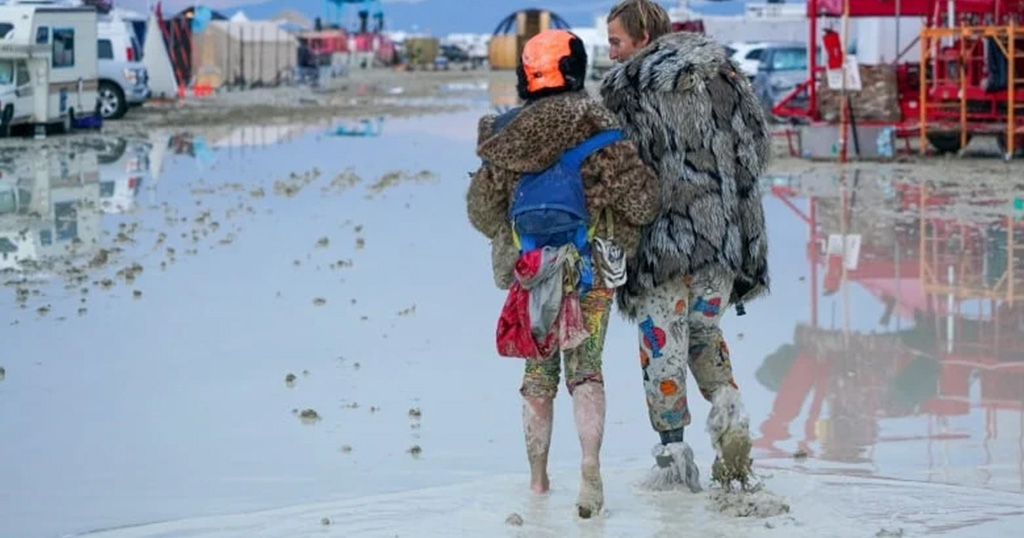
The recent events at Burning Man 2023 have served as a stark reminder that even with the best intentions and thorough planning, nature can still throw curveballs at event organizers. The devastation that ensued following an unexpected rainstorm in Nevada left tens of thousands stranded and at least one casualty, signaling an alarm for event planners everywhere.
News stories like the ones emerging from Black Rock City the temporary venue built annually for Burning Man showcase why event planning can be considered one of the most stressful professions. Ensuring safety, managing logistics, and handling unexpected challenges are par for the course, especially when dealing with large-scale events.
LESSONS FROM BURNING MAN 2023
The sheer unpredictability of the weather is no longer something event planners can afford to sideline. As Jake Perez pointed out in his article on LinkedIn News, this year’s adverse weather conditions at Burning Man has reignited discussions among professionals about the critical importance of contingency planning, especially for outdoor events.
We as event professionals need to draw valuable lessons from this calamity to ensure a safer future for all attendees. Here are some suggestions to help keep your attendees safe and your event production running even during adverse weather:
- Revisit Your Emergency Plans Regularly: The climate crisis is real, and patterns are changing faster than most contingency plans can keep up with. A plan that might have worked two years ago could be rendered obsolete today. It’s crucial to review and update emergency plans regularly. Investing in training that focuses on severe weather management for outdoor events could also be invaluable.
- Educate and Communicate with Attendees: A knowledgeable crowd is a safe crowd. Clearly communicate potential risks and emergency protocols before and during the event. Use multiple communication channels, including social media, email, and onsite announcements.
- Engage Experts: Weather is unpredictable, but with a professional meteorologist on board, you can make better-informed decisions and possibly foresee problematic weather patterns in advance. This investment can make a difference in attendee safety and can help in creating a more weather-proof contingency plan.
- Resource Allocation: Ensure you have extra resources on hand, like water, food, shelter, and first aid. In the case of extreme events like Burning Man 2023, these resources can be the difference between life and death.
- Stress Test Your Plans: It’s one thing to have a plan, but another to know it works. Conduct regular drills and simulations to ensure that everyone involved, from security personnel to event staff, knows their roles during an emergency.
The jarring images and stories from Burning Man serve as a grim reminder of the challenges outdoor events face in our current climate reality. The fact that jokes were made about the ordeal, drawing comparisons to the infamous Fyre Festival, underscores the importance of taking these challenges seriously. For event professionals, the safety of attendees should always be paramount.
As we move forward, let’s use the lessons from Burning Man 2023 as a catalyst for change. Embracing the principles of contingency planning, communication, and continual learning will ensure a brighter and safer future for all events, regardless of their scale or location.
EMERGENCY EVENT ACTION PLANNING: A HIGH WIND ACTION PLAN

Continuing our Safety Series is a quick look into how we approach weather and safety. We produce a number of outdoor events, from street teams and mobile marketing that may have 10×10 EZ-Up tents all the way to 7 city blocks of major engineered structures.
Over the years, we have seen so, so many mistakes. I see this a lot on a personal level with the smaller tents- ZIP TIES are not structural!! I have seen the smaller tents zip tied to 5lb hand weights etc.
 Image via Flickr by artistmac
I have also seen major accidents (Sugarland, the recent GP sailing accidents, etc). At an airshow we produced we subcontracted a raising roof grid structure from a local midwest vendor. This just happened to be the Sugarland stage that had the tragic accident less than a month later. What we saw when we rented this was a concern all around.
Why use water ballast? Because we know the weight of water. at 8lbs a gallon, this is an easy and mobile way to weigh down your structure. What else? Stakes at 36-48″ depending on your engineering diagrams as well as concrete blocks that are weighted are all useful methods. We stay away from “found” methods onsite (e.g. attaching to something found onsite).
Also, we have a HWAP policy. When we deploy large structures we have a set plan that is approved in advance. This includes a scale of wind speeds and actions that we employ when those speeds are reached. There is NO discussion onsite, just implementation. This ensures that there is no delay or waffling to “see what happens” or trying to keep a crowd nearby so the event isnt cancelled. This is intended to ensure Life Safety comes first,
HIGH WIND ACTION PLAN (HWAP) Wind Ratings:
20MPH: Safety team is assembled and on alert (within 5 minutes) and remains on alert until wind stays below 25MPH for 30 minutes.
25MPH: Wind wall and backdrop are lowered to stage level and secured. Backdrop to be removed within 10 minutes.
30MPH: Remove all fabric panels to create an open structure. All panels removed within 15 minutes.
40MPH: CEASE ALL SHOW OPERATIONS. Evacuate audience members and crew except HWAP personnel. Do not lower roof, do not climb structure.
67.5MPH: Evacuate all personnel from within the vicinity of the structure and do not return until winds fall below 40MPH.
We also employ a meteorology team out of Oklahoma when we produce large-scale events and build outdoor structures. This gives us access to an extended forecast, real time lightning awareness as well as windspeed and rain activity. We have an on-call meteorology team that we have access to in order to evaluate any issues that come up throughout the event.
NAVIGATING EVENT SAFETY: ADAPTING TO NEW FIRE MARSHAL RULES AND VENUE CHANGES
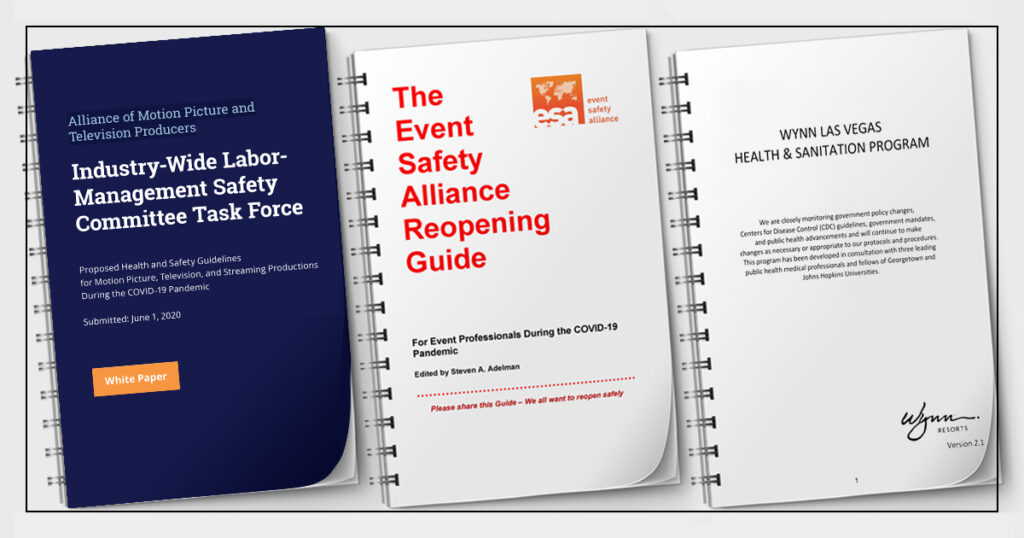
Every event planner knows that safety is a priority when organizing any event. At Decibel, we’re well aware of the ever-changing municipal regulations around event safety, which can often feel like navigating through a complex maze of paperwork and procedures. However, no matter how tedious it can seem, we know that this meticulousness is vital to the planning and production of events and ensuring life safety.
Collaboration is key when it comes to safety. We regularly work hand-in-hand with various building venues, adhering to their rules and restrictions, and collaborating closely with Fire Marshals around the country. While the basic safety standards for events and venues are often similar, it’s important to remember that every event and venue has unique rules and hyper-specific elements. These rules are usually based on their past experiences and, being aware of these can save time, effort, and prevent unexpected surprises.

One key step in ensuring event safety is conducting detailed site visits. This helps us understand the physical environment better and ensures that our plans align with the reality of the venue. The importance of such visits was recently highlighted during an event at the Washington Convention Center. The venue had undergone changes during the COVID shutdown, including the addition of storage areas and new walls. This change was not reflected on the CAD diagrams available at the time, and had our Technical Director not conducted a walkthrough, verifying measurements, we could have incurred serious changes, overtime, and extra costs.
Moreover, staying updated with the latest policies from Fire Marshals and venues is a crucial part of our process. For example, our DC office recently shared updated notes from the Fire Marshal outlining new and updated items to be aware of.
To give you a glimpse into the safety standards and guidelines, here are some policies from Javits Center and Moscone Center:
And here are some notable updates from WCC Fire Marshall:
- Optimal time for plan submission is 30 days.
- Event plans submitted within 7 days of the event are charged double ($300) for expedited service.
- No additional fee for revisions.
- Any event with 100 people or more requires a plan.
- Layouts and exits are the primary concern of Fire Marshals.
To ensure a seamless and safe event planning process in DC, we suggest you include the following in your plans:
- Name of Event
- Date of Event
- Estimated number of attendees at any one time
- Set up date and onsite point of contact
Also, remember to apply for Public Assembly Permits for trade shows or any event with more than 100 people in attendance.
Ensuring safety at your events can feel overwhelming, but with meticulous planning, collaboration, and a firm understanding of venue policies and fire safety rules, you can smoothly navigate this process. At Decibel, we’re committed to understanding these ins and outs and making safety a priority in every event we plan.
Remember, while the process may seem unglamorous, it is essential. Safety is not just a checklist – it’s a commitment to every attendee who walks through the doors of your event.
For more detailed information on event safety planning in DC, read through this. Your safety is our priority and we believe in sharing knowledge that empowers you to conduct successful and secure events.
Stay tuned for more updates and insights into the world of event planning and safety.