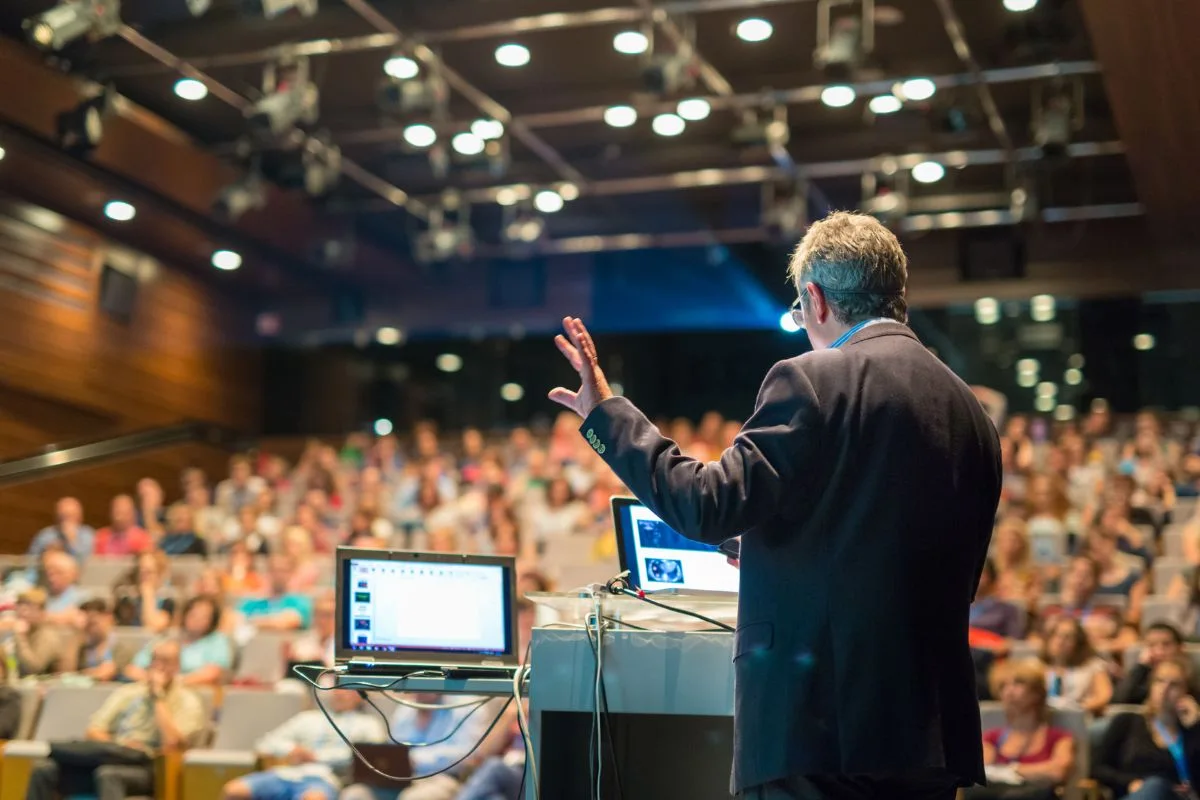
The way we gather has fundamentally changed. Whether you’re planning a corporate conference steps from the National Mall or organizing a government briefing near Capitol Hill, hosting hybrid events, hybrid events best practices has become the standard for organizations that want to maximize reach, engagement, and return on investment.
In Washington, DC—a city built around connection, influence, and communication—the shift toward hybrid formats is especially pronounced. With 80 percent of event planners now hosting hybrid events as a core format, and 61 percent of organizers reporting that hybrid events are more cost-effective than in-person-only programs, the business case is stronger than ever.
But pulling off a successful hybrid event requires more than pointing a camera at a stage. It demands intentional design, the right technology, and a planning partner who understands both the in-room and on-screen experience. In this guide, we’ll walk you through everything you need to know about hybrid event planning in Washington, DC — your complete roadmap to hybrid event planning done right from venue selection and technology to audience engagement and budgeting.
What Is a Hybrid Event (and Why Does It Matter in 2026)?
Understanding hybrid events best practices begins with knowing that hosting hybrid events means combining a live, in-person experience with a simultaneous virtual component, allowing attendees to participate from anywhere in the world. Unlike a simple livestream, a well-planned hybrid event creates distinct but equally engaging experiences for both audiences.
The hybrid format has moved well beyond its pandemic-era origins. Industry data shows that approximately 37 percent of event budgets now go toward virtual and hybrid components—exceeding what many organizations spend on purely in-person or purely virtual gatherings. Meanwhile, the global corporate events market is projected to reach $595 billion by 2029, with hybrid delivery playing a central role in that growth.
For organizations in Washington, DC, hybrid events are especially relevant. The city hosts hundreds of conferences, government convenings, and association meetings each year, many serving national or international audiences. A hybrid approach lets planners maintain the prestige of a DC-based event while extending access to stakeholders across the country and around the globe.
Why Washington, DC Is the Ideal City for Hybrid Events
Few cities offer the combination of infrastructure, audience, and gravitas that Washington, DC brings to event planning. Here’s why the nation’s capital stands out as a premier destination for hybrid event planning and hosting hybrid events:
World-Class Venues with Built-In Tech
Washington, DC boasts an impressive roster of venues equipped for hosting hybrid events. The Walter E. Washington Convention Center offers Studio 801, a 19,000-square-foot space designed for virtual and hybrid events with over 100 adaptable lighting designs. The National Press Club’s Broadcast Operations Center features two studios with control rooms and full connectivity services. Boutique options like the Big Whig broadcasting studio—one block from the White House—offer an iconic backdrop for intimate hybrid gatherings.
A Built-In Audience of Decision-Makers
DC’s concentration of government agencies, associations, nonprofits, and lobbying firms means your in-person audience often includes some of the most influential professionals in the country. A hybrid format lets you pair that high-value in-room experience with broad digital reach to members, supporters, or stakeholders nationwide.
Strong Digital Infrastructure
The District’s investment in high-speed connectivity and its network of production studios and AV providers make it one of the most technically capable cities for hybrid events. From LED walls and livestreaming to real-time polling and virtual breakout rooms, DC’s infrastructure supports the full range of hybrid production needs.

7 Hybrid Events Best Practices for Engaging Both Audiences
Whether you’re a seasoned event professional or just starting out hosting hybrid events, these hybrid event planning steps will help you create an experience that works for every attendee.
1. Define Your Goals and Audience Segments
Before choosing a venue or selecting a streaming platform, get clear on what success looks like. Are you trying to generate leads, educate members, launch a product, or build community? Your goals will shape every decision that follows.
Equally important: understand that your in-person and virtual audiences may have different motivations for attending. In-person attendees often prioritize networking and face-to-face interaction, while virtual participants may value convenience, content access, and flexibility. Design your event to serve both groups intentionally.
2. Choose a Hybrid-Ready Venue
Among hybrid events best practices, venue selection is a critical hybrid event planning decision — not every venue is equipped for hybrid delivery. When evaluating spaces in Washington, DC, look for reliable high-speed internet (dedicated lines, not shared Wi-Fi), built-in AV infrastructure or easy load-in access for production teams, good acoustics and lighting for both the live audience and cameras, and a layout that accommodates camera angles without disrupting the in-person experience.
Keep in mind that booking lead times for large convention venues in DC have extended to 18 to 24 months, so planning early is essential. Working with a local event management partner who knows the DC venue landscape can save significant time and help you secure the right space.
3. Invest in Production Quality
This is where hosting hybrid events most often falls short. Virtual attendees can tell immediately when they’re watching a low-effort stream of a live event. To create an engaging experience for remote participants, invest in professional-grade cameras and audio equipment, dedicated camera operators who frame shots for the virtual audience, on-screen graphics, lower thirds, and branded overlays, and a separate production director managing the virtual feed.
Industry data shows that 60 percent of planners rank advanced AV support as a top priority. The investment in production quality pays for itself in audience engagement and brand perception.
4. Design for Two Experiences, Not One
The biggest mistake in hybrid event planning is treating the virtual component as an afterthought. One of the most important hybrid events best practices is designing two parallel experiences that are equally compelling.
For in-person attendees, focus on networking, hands-on activities, and the energy of a live environment. For virtual attendees, incorporate live polling, Q&A moderation, virtual breakout rooms, and chat-based networking. Consider scheduling more frequent breaks—this helps virtual attendees reset focus while giving in-person guests time to connect organically.
5. Select the Right Technology Stack
Your event management platform is the backbone of the virtual experience. Look for software that supports seamless livestreaming with minimal latency, interactive features like polls, Q&A, and audience response systems, attendee analytics and engagement tracking, integration with your registration and CRM systems, and on-demand content access after the event.
With 79 percent of event professionals using event management software for planning and execution, choosing the right platform is foundational. A strong technology stack also supports post-event content libraries, extending the life of your event beyond the live date.
6. Build a Comprehensive Budget
Hybrid event planning requires a different budgeting mindset than purely in-person gatherings. While you may save on venue size and catering for a smaller in-person audience, you’ll need to allocate additional funds for streaming technology and platform fees, production crew and equipment, virtual engagement tools, and content creation and post-production.
The good news: 61 percent of organizers report that hybrid events are more cost-effective than in-person-only programs. By spreading costs across a larger combined audience, you achieve better per-attendee economics. Budget constraints remain the top challenge—nearly 62 percent of professionals cite it—so working with an experienced partner who can allocate resources strategically is a real advantage.
7. Measure What Matters
One of the greatest advantages of hybrid events is the depth of data they generate. Beyond attendance counts, track session engagement rates for both audiences, virtual watch time and drop-off points, chat and Q&A participation, post-event content views, and net promoter scores segmented by attendance type. This data demonstrates ROI and provides actionable insights for future events.
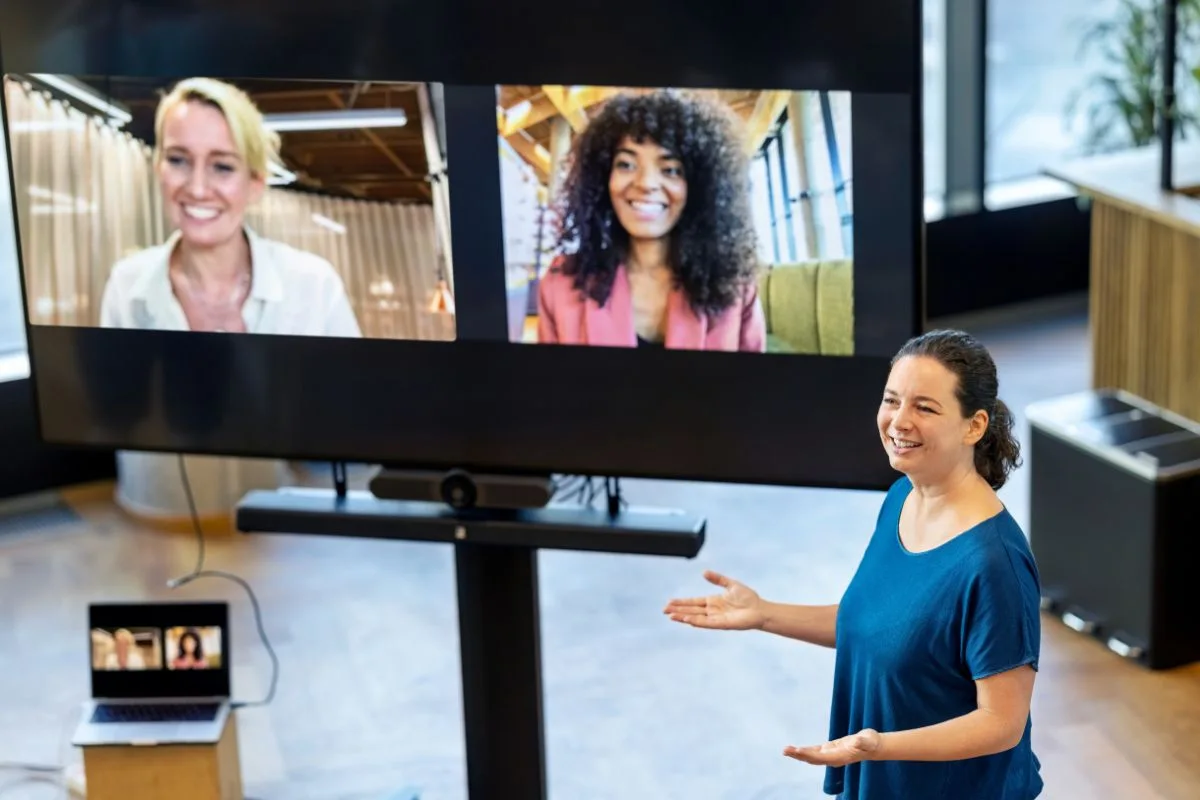
Common Hybrid Event Challenges (and How to Overcome Them)
Even when following hybrid events best practices, hybrid event planning and hosting hybrid events comes with unique challenges. Here are the most common pitfalls and how to avoid them:
Disconnected audiences. Virtual attendees often feel like second-class participants. Combat this by having a dedicated virtual emcee, incorporating live interactions between audiences, and ensuring remote participants can ask questions and contribute in real time.
Technical failures. Nothing derails a hybrid event faster than a dropped stream or audio glitch. Always run a full technical rehearsal, have backup internet connections, and keep a dedicated tech support team on standby throughout the event.
Content pacing issues. What works for a live audience doesn’t always translate on screen. Keep virtual sessions focused, use dynamic visuals, and avoid long stretches without interaction. Shorter, more modular content blocks tend to perform better across both formats.
Inconsistent branding. Your virtual platform should feel like an extension of your in-person event, not a separate experience. Maintain consistent branding, messaging, and quality standards across both environments.
The Role of AI and Sustainability in Hybrid Events
Two trends are reshaping hybrid events best practices for hosting hybrid events in 2026: artificial intelligence and sustainability.
On the AI front, 58 percent of event professionals report increased use of AI and automation. From personalized agenda recommendations to automated registration workflows, AI is helping planners deliver tailored experiences at scale.
Sustainability is equally influential. Roughly 54 percent of organizations now incorporate sustainability goals into event strategies. Hybrid formats inherently support this by reducing travel, lowering carbon footprints, and minimizing printed materials—a meaningful advantage for DC organizations operating in policy-driven environments where environmental responsibility matters.
Why Partner with a Professional Hybrid Event Planning and Hybrid Events Best Practices Expert in DC
Hybrid event planning and implementing hybrid events best practices when hosting hybrid events is inherently more complex than planning a single-format event. You’re coordinating two audience experiences, managing sophisticated technology, and ensuring seamless production across physical and digital environments.
That’s why working with an experienced event management company makes such a difference. A partner like Decibel Events brings deep expertise in hybrid production, established relationships with DC’s top venues and AV providers, and the strategic perspective to design an event that achieves your goals. From concept and budget planning through execution and post-event analytics, a dedicated team ensures nothing falls through the cracks.
DC’s event landscape is uniquely demanding—between the high expectations of government and association audiences and the premium placed on production quality, there’s little room for error. An experienced local partner understands these dynamics and navigates them with confidence.
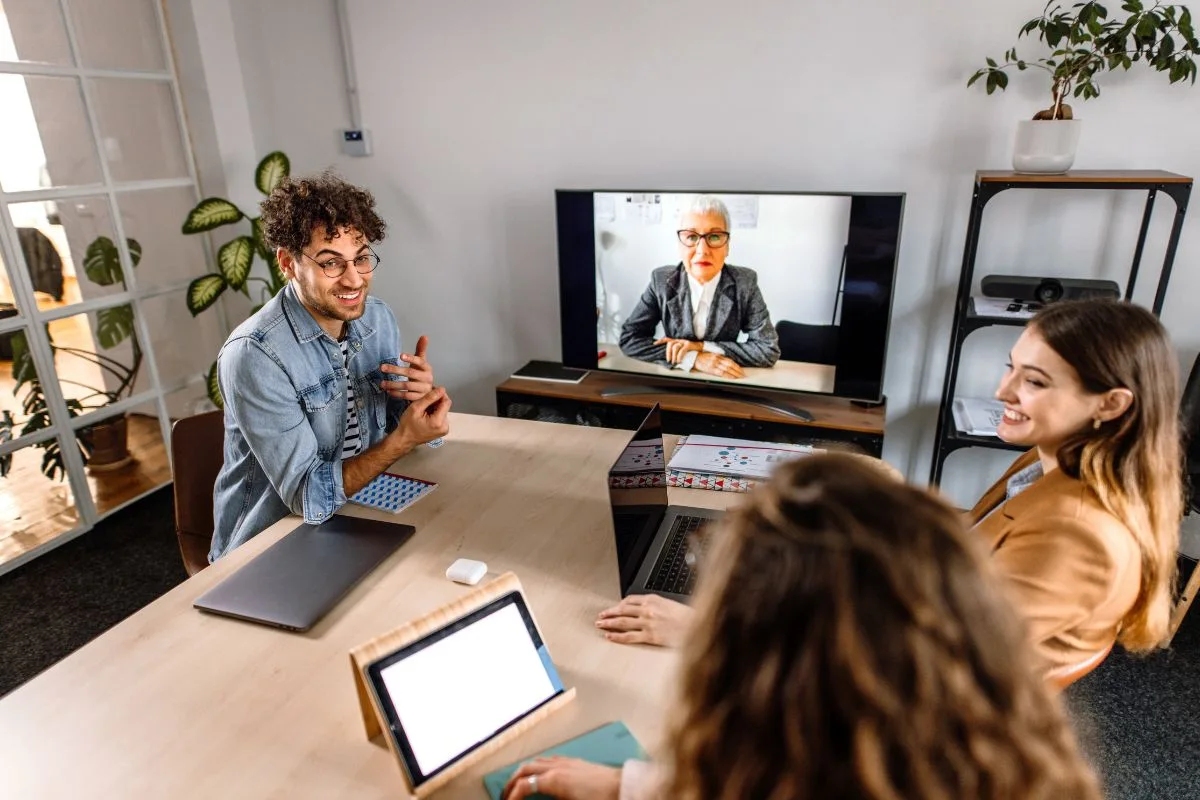
Ready to Plan Your Next Hybrid Event in Washington, DC?
Hybrid events best practices aren’t going anywhere—they’re only becoming more sophisticated and more valuable. Whether you’re planning a conference, leadership summit, or product launch, hosting hybrid events the right way is essential to reaching your full audience and maximizing impact.
Decibel Events specializes in hybrid event planning in Washington, DC. Our team handles every detail—from venue sourcing and AV production to virtual platform management and audience engagement—so you can focus on your message and your guests.
Schedule a free consultation today to start planning your next hybrid event. Visit decibelevents.com or reach out directly to speak with our team. Let’s create something remarkable—together.
Frequently Asked Questions About Hybrid Event Planning
What is a hybrid event?
Hosting hybrid events means organizing a gathering that combines a live, in-person experience with a virtual component, allowing attendees to participate either on-site or remotely. Unlike a basic livestream, a true hybrid event is designed to deliver meaningful, interactive experiences for both audiences simultaneously—with dedicated engagement features, production quality, and content tailored to each group.
How much does hybrid event planning cost?
Costs vary widely depending on the scale of the event, venue selection, production quality, and the technology platforms used. While hybrid events require additional investment in streaming infrastructure and virtual engagement tools compared to in-person-only events, industry data shows that 61 percent of organizers find hybrid formats more cost-effective overall because they spread fixed costs across a larger combined audience. A professional event planner can help you build a budget that maximizes impact without overspending.
What makes Washington, DC a good location for hybrid events?
Washington, DC offers a unique combination of hybrid-ready venues (like the Walter E. Washington Convention Center’s Studio 801 and the National Press Club), a built-in audience of government leaders, association executives, and policy professionals, and robust digital infrastructure. The city’s national and international profile also adds prestige and visibility to events hosted there.
What are hybrid events best practices for keeping virtual attendees engaged?
The key is to design the virtual experience as its own track rather than an afterthought. Effective strategies include assigning a dedicated virtual emcee, incorporating live polls and Q&A sessions, offering virtual breakout rooms and networking opportunities, using dynamic on-screen graphics, and scheduling frequent breaks to help remote participants stay focused.
How far in advance should I start hybrid event planning in DC?
For large-scale hybrid events, it’s best to start planning 12 to 18 months in advance. Booking lead times for major DC venues have extended to 18 to 24 months in some cases. Even for smaller gatherings, starting at least 6 months ahead gives you time to secure the right venue, coordinate AV production, select a virtual platform, and promote the event to both in-person and virtual audiences.
What technology do I need for a hybrid event?
At a minimum, you’ll need a reliable event management platform with livestreaming capability, professional-grade cameras and audio equipment, stable high-speed internet (ideally a dedicated line), interactive tools such as live polling and chat, and a content management system for on-demand post-event access. Choosing an integrated platform that handles registration, engagement, and analytics in one place simplifies both planning and execution.
Can a hybrid event be more effective than an in-person-only event?
Yes—when planned well, hybrid events can outperform in-person-only formats in several ways. They expand your total audience reach, generate richer engagement data, extend content lifespan through on-demand libraries, and provide flexibility that accommodates attendees who can’t travel. The combination of in-person connection and virtual accessibility often leads to stronger overall ROI.