Every successful corporate event starts long before the first guest arrives. Behind every seamless conference, product launch, gala, or brand activation is a detailed planning process that brings together strategy, creativity, logistics, and flawless execution. If you are responsible for event planning for corporate events in Washington, DC, you already know the stakes are high. Your attendees are busy professionals who expect polished experiences, and your leadership team expects measurable results.
The good news is that with the right approach and the right team, corporate event planning does not have to be stressful. This guide walks you through everything you need to know to plan a corporate event that impresses your audience, achieves your business goals, and runs without a hitch from start to finish.
Why Corporate Event Planning Requires a Strategic Approach
Corporate events are fundamentally different from social gatherings. They carry your company’s brand, reputation, and business objectives. A poorly planned event does not just disappoint attendees. It reflects on your organization and can undermine months of relationship-building and marketing effort.
A strategic approach to event planning for corporate events means every decision is tied to a clear purpose. The venue you choose, the agenda you build, the entertainment you book, and the technology you deploy should all work together to support your goals. Whether the objective is lead generation, employee engagement, client appreciation, or thought leadership, the planning process must be intentional from day one.
According to a 2024 survey by the Center for Exhibition Industry Research, companies that set specific, measurable goals before planning their events reported 34% higher attendee satisfaction scores compared to those that did not. Strategy is not optional. It is the foundation of every great corporate event.
This is exactly why leading organizations turn to professional event management partners who bring both the expertise and the systems to plan events that deliver real results.
Setting Clear Goals and Defining Your Audience
The first and most important step in corporate event planning is answering two questions: What do we want to achieve, and who are we planning this for?
Define Your Event Objectives
Be specific. Instead of saying you want a “successful conference,” define what success looks like. Is it 500 registered attendees? A 90% satisfaction rating in the post-event survey? Twenty qualified sales leads? Five media placements? Clear goals guide every planning decision and give you benchmarks to measure your return on investment.
Understand Your Audience
The experience you design for a room full of C-suite executives will look very different from one built for mid-level managers or external prospects. Consider what your audience values, what challenges they face, and what will motivate them to attend and stay engaged throughout the event. In Washington, DC, where corporate professionals attend dozens of events each year, understanding your audience is especially critical because you are competing for their time and attention.
Choose the Right Event Format
Corporate events come in many forms, and the format you choose should align with your goals and audience. Options include conferences and summits, product launches and brand activations, award ceremonies and galas, team-building retreats, trade show exhibits, hybrid events combining in-person and virtual elements, and executive roundtables. Each format has unique planning requirements, and selecting the wrong one can undermine even the best content and production.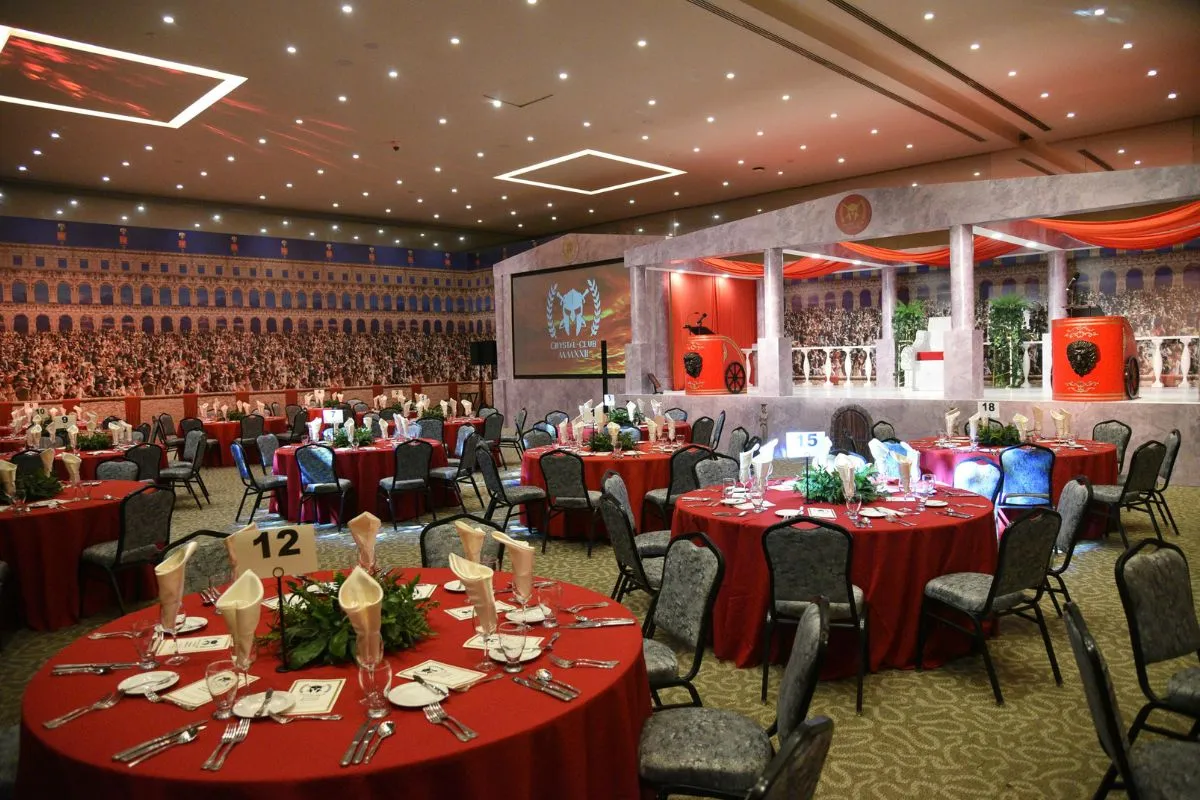
Building a Realistic Budget and Timeline
Two of the most common mistakes in corporate event planning are underestimating the budget and starting the planning process too late. Both lead to compromises that affect the attendee experience.
Start With a Comprehensive Budget
Your budget should account for every element of the event, including venue rental, catering, audiovisual production, entertainment, decor, staffing, transportation, marketing and promotion, printed materials, technology platforms, and contingency funds. A good rule of thumb is to set aside 10% to 15% of your total budget as a contingency for unexpected expenses. Experienced event planners know that surprises are inevitable, and having a financial cushion prevents last-minute scrambling.
Build a Timeline That Allows Breathing Room
For large-scale corporate events, planning should begin six to twelve months in advance. Mid-size events typically require three to six months of lead time. Even smaller gatherings benefit from at least six to eight weeks of planning. Your timeline should include milestones for venue booking, vendor contracts, speaker confirmations, marketing launches, registration deadlines, rehearsals, and day-of logistics.
Track Everything in One Place
Use project management tools or work with a professional planning team that provides centralized tracking for budgets, timelines, vendor communications, and deliverables. Disorganized planning is the fastest path to a disorganized event.
Choosing the Right Venue in Washington, DC
Venue selection is one of the most consequential decisions in event planning for corporate events, and Washington, DC offers an exceptional range of options for every type of gathering.
Consider Your Event’s Size and Format
A 50-person executive dinner requires a very different space than a 2,000-person conference. Think about the flow of the event, including registration areas, main session rooms, breakout spaces, networking lounges, and catering zones. Every area should feel intentional and on-brand.
Leverage DC’s Iconic Settings
Few cities offer the variety and prestige of Washington, DC venues. From historic properties near the National Mall and upscale hotel ballrooms in Georgetown to modern event spaces in the Wharf district and rooftop venues with views of the Capitol, the city provides backdrops that elevate any corporate event. Choosing a venue that resonates with your audience and aligns with your brand adds an extra layer of impact before a single presentation begins.
Evaluate Logistics Carefully
Consider accessibility for attendees traveling from out of town, proximity to hotels and public transit, parking availability, load-in and load-out requirements for production equipment, and any venue-specific restrictions on noise, catering, or decor. An experienced event production team can conduct site visits and handle all venue logistics so nothing is overlooked.
Designing Content and Programming That Resonates
The content and programming of your corporate event are what deliver value to attendees. A beautiful venue and smooth logistics matter, but people come for content that informs, inspires, or connects them with others.
Curate Speakers Who Deliver
Whether you are booking a keynote speaker, moderating a panel discussion, or facilitating a workshop, the quality of your speakers directly impacts attendee satisfaction. Look for speakers who are not only knowledgeable but also engaging and relevant to your audience. In Washington, DC, you have access to an incredible pool of thought leaders, policy experts, industry innovators, and executives who can add credibility and energy to your event.
Build an Agenda With Variety
Long blocks of lectures drain energy. The most effective corporate event agendas mix formats throughout the day, alternating between keynotes, interactive panels, small-group breakout sessions, networking breaks, and entertainment. This variety keeps attendees engaged and gives different personality types a chance to participate in ways that feel comfortable.
Incorporate Storytelling and Creative Design
The way you present your content matters as much as the content itself. Stage design, branded visuals, video content, and creative transitions between sessions create a cohesive experience that reinforces your message. A dedicated event creative team brings the design expertise to make your programming visually compelling and emotionally resonant.
Production and Technical Execution
Behind every polished corporate event is a production team managing the technical details that the audience never sees but always feels.
Audio and Visual Production
Professional sound systems ensure every speaker is heard clearly, while high-quality video screens, lighting design, and projection create the visual environment that supports your brand. Poor AV quality is one of the fastest ways to lose an audience, so this is not an area to cut corners.
Stage Management and Show Flow
A skilled stage manager coordinates speaker transitions, cues video and audio elements, manages teleprompters, and ensures that every moment flows smoothly from one to the next. This behind-the-scenes coordination is what separates amateur events from professional ones.
Technology Integration
From live streaming and hybrid event platforms to audience engagement tools and custom event apps, the right technology extends your reach and enhances the attendee experience. Make sure your production team is experienced with the technology platforms you plan to use and has contingency plans for technical issues.
On-Site Logistics and Staffing
Registration teams, ushers, security, catering coordinators, and technical crew all need to be briefed, scheduled, and managed. A comprehensive production plan ensures every team member knows their role and every detail is accounted for.
Marketing and Driving Attendance
Even the best-planned corporate event falls flat if people do not show up. A strong marketing and promotion strategy is an essential part of the planning process.
Start Promoting Early
Give your audience enough time to clear their calendars, especially for events that require travel. Save-the-date announcements should go out as early as possible, followed by a phased communication plan that builds excitement and urgency as the event date approaches.
Use Multiple Channels
Email marketing remains the most effective channel for corporate event promotion, but do not rely on it alone. Leverage your company’s social media platforms, website, LinkedIn presence, and industry partnerships to reach a broader audience. For Washington, DC events, consider targeted outreach to local business associations, chambers of commerce, and professional networks.
Create Compelling Messaging
Your promotional content should clearly communicate the value of attending. What will attendees learn? Who will they meet? What experiences will they have? Focus on benefits rather than features, and make the registration process as simple as possible.
Measuring Success After the Event
Event planning for corporate events does not end when the last guest leaves. Post-event evaluation is where you determine whether your investment delivered the results you were aiming for.
Survey Your Attendees
Send a post-event survey within 24 to 48 hours while the experience is fresh. Ask about overall satisfaction, content quality, speaker ratings, venue feedback, and suggestions for improvement. This data is invaluable for planning future events.
Review Your Metrics
Compare actual results against the goals you set at the beginning of the planning process. Did you hit your attendance targets? Generate the leads you were after? Achieve the media coverage you wanted? Data-driven evaluation helps you continuously improve your event strategy.
Debrief With Your Team
Gather your internal team and external partners for an honest debrief. Discuss what went well, what could be improved, and what lessons should carry forward to the next event. The best event planners treat every event as a learning opportunity.
Let Decibel Events Handle the Details
Planning a corporate event that delivers real results requires experience, creativity, and the operational expertise to pull it all together. That is exactly what Decibel Events brings to every project.
Based in Washington, DC, Decibel Events specializes in corporate event management, production, and creative design. With over 15 years in business, more than 650 events and activations completed, and a roster of clients that includes major brands and government agencies, their team knows what it takes to deliver events that exceed expectations. From concept development and speaker management to full-scale production and on-site execution, Decibel Events handles every detail so you can focus on your business objectives.
Ready to start planning your next corporate event? Contact Decibel Events today for a free consultation and discover how their team can bring your vision to life.
Frequently Asked Questions
What does event planning for corporate events involve?
Event planning for corporate events involves a comprehensive process that includes defining objectives, budgeting, venue selection, content and speaker curation, production and AV coordination, marketing, registration management, on-site execution, and post-event evaluation. Every element must work together to deliver a cohesive experience that meets the organization’s goals. Professional event planners manage all of these moving parts simultaneously, ensuring nothing falls through the cracks and the event runs smoothly from start to finish.
How far in advance should I start planning a corporate event?
The timeline depends on the size and complexity of the event. Large-scale conferences, galas, and multi-day events should begin planning six to twelve months in advance. Mid-size events like product launches or brand activations typically require three to six months. Smaller corporate gatherings can be planned in six to eight weeks, though more lead time always allows for better venue options, speaker availability, and vendor pricing. Starting early gives you the flexibility to make thoughtful decisions rather than rushed ones.
How much does it cost to plan a corporate event in Washington, DC?
Corporate event costs in Washington, DC vary significantly depending on the venue, guest count, production requirements, catering, entertainment, and technology needs. Smaller corporate events may range from a few thousand dollars, while large-scale conferences and galas can require six-figure budgets. The most important step is building a detailed budget early in the planning process and working with an experienced event management team that can help you allocate funds strategically and avoid unnecessary expenses.
What makes Washington, DC a great city for corporate events?
Washington, DC offers a unique combination of world-class venues, a highly engaged professional community, excellent transportation infrastructure, and a city rich in history and culture. From iconic spaces near the National Mall and upscale hotel ballrooms in Georgetown to modern waterfront venues at the Wharf, the city provides settings that elevate any corporate gathering. DC is also a hub for government, policy, and business, making it an ideal location for events that aim to attract high-level decision-makers and thought leaders.
Why should I hire a professional event planning company instead of planning in-house?
Professional event planning companies bring specialized expertise, industry connections, and operational systems that most in-house teams simply do not have. They manage complex logistics, negotiate better vendor pricing, coordinate production details, and troubleshoot issues in real time so your team can focus on strategic priorities. For high-stakes corporate events where your brand reputation is on the line, working with an experienced partner significantly reduces risk and dramatically increases the quality of the attendee experience. The result is a polished, seamless event that reflects well on your organization.