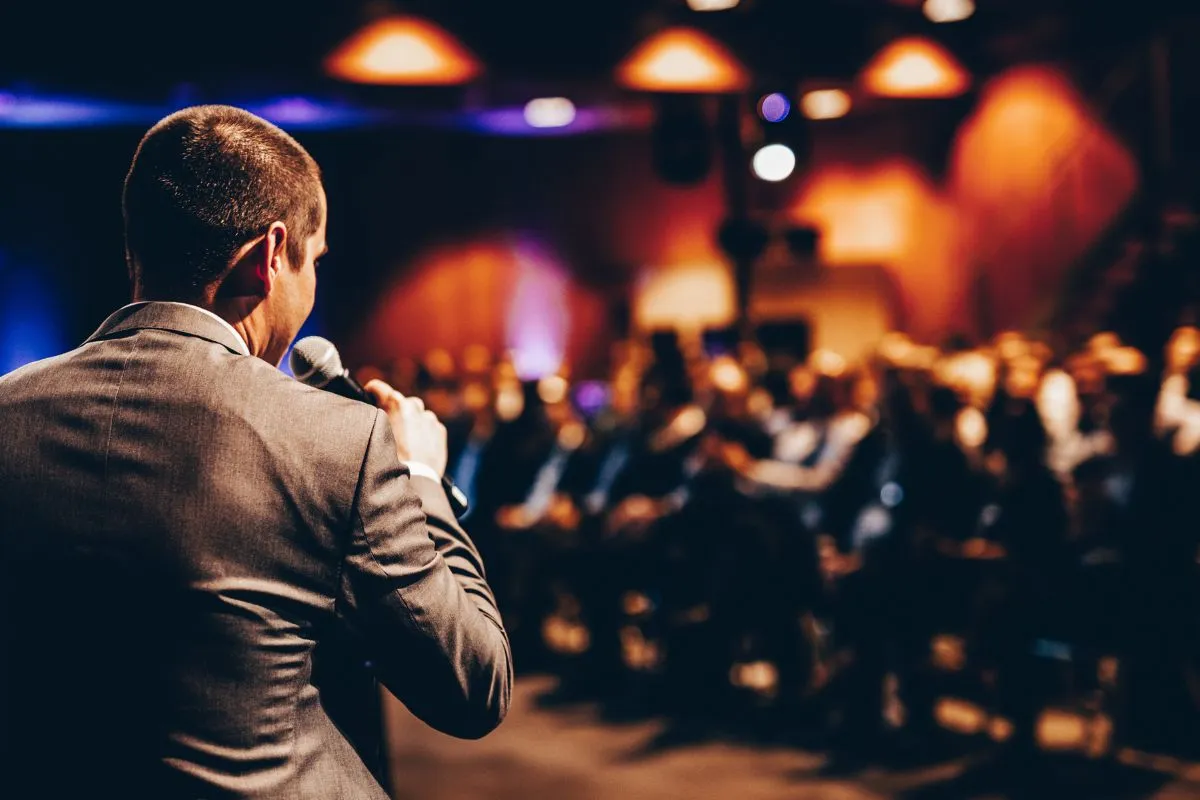
Every event starts with a vision. But between that initial idea and the moment guests walk through the door, there are dozens of decisions and moving parts that determine whether your event lands or falls flat. So, how do you make an event successful?
The answer isn’t one thing. These event planning tips cover clear goals, strategic planning, creative execution, and seamless management. Whether you’re organizing a corporate conference at the Walter E. Washington Convention Center, a nonprofit gala along the Georgetown waterfront, or a product launch in Dupont Circle, the fundamentals remain the same.
Here at Decibel Events, we’ve spent years producing high-impact events across Washington, DC and the surrounding region. In this guide, we’ll break down event planning tips, strategies, tools, and mindset shifts that separate forgettable gatherings from truly memorable experiences.
Start With a Clear Purpose and Measurable Goals
Before booking a venue, choosing a caterer, or designing invitations, you need to answer one fundamental question: why are you hosting this event?
Events without a defined purpose tend to drift. They end up feeling unfocused, and attendees walk away without a clear takeaway. Successful events, on the other hand, are built around a specific objective that shapes every decision that follows.
Your event purpose might be to:
- Launch a new product or service and generate media coverage
- Strengthen relationships with existing clients or stakeholders
- Raise funds or awareness for a cause
- Educate an audience through a conference or workshop
- Celebrate a milestone, whether corporate or personal
Once you’ve nailed down your purpose, set measurable goals. If it’s a fundraiser, define your target number. If it’s a brand activation, decide how many leads you want to capture. These benchmarks help you evaluate whether the event was truly successful after it’s over.
Know Your Audience Inside and Out
Understanding your audience is just as important as understanding your goals. The people attending your event should feel like it was designed for them. That means thinking about what your guests care about, what keeps them engaged, and what experience they expect.
Audience Research That Drives Better Events
For corporate events in Washington, DC, your audience might include government officials, policy leaders, lobbyists, or C-suite executives. Each group has different expectations around formality, content depth, and networking. A tech startup launch in Shaw will feel very different from an embassy reception in Kalorama, and it should.
Use surveys, registration data, and past event feedback to build a clear picture of your attendees. Then tailor everything, from the venue and agenda to the food and entertainment, to match their preferences. When people feel understood, they engage more deeply.
Build a Realistic Budget and Stick to It
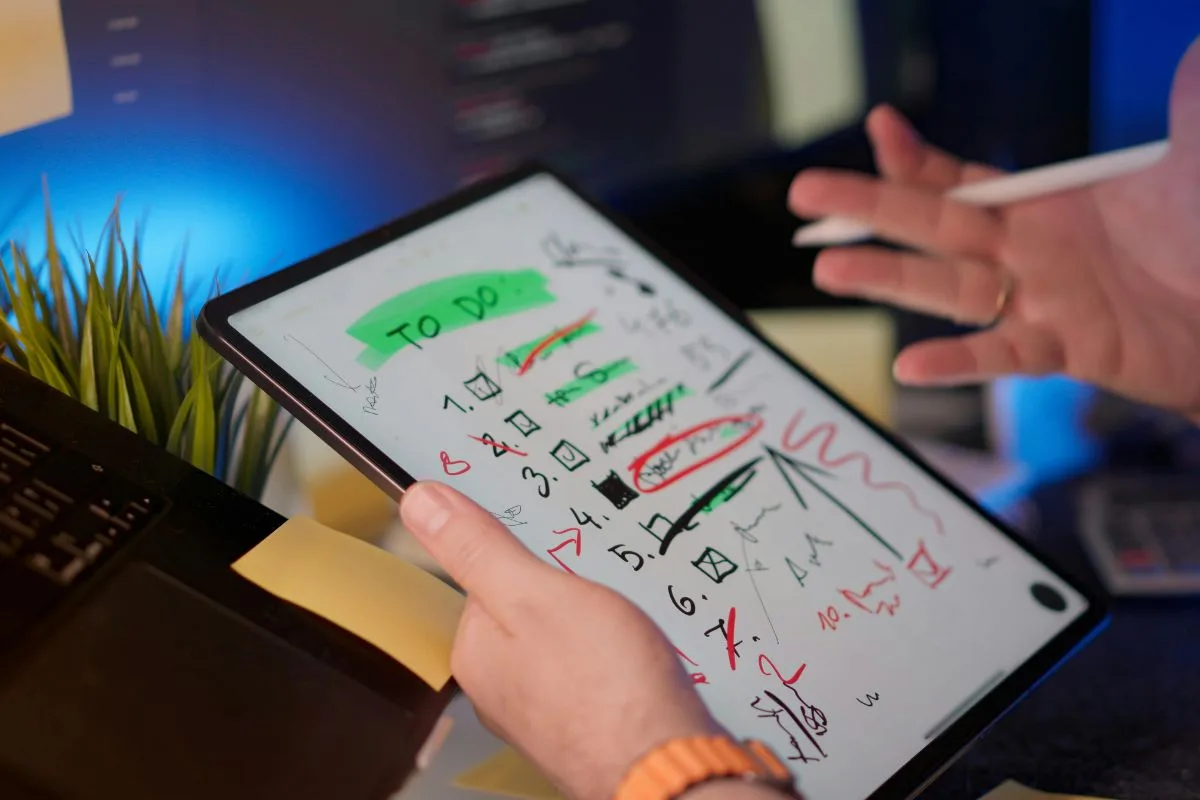
Budget mismanagement is one of the fastest ways to derail an otherwise well-planned event. Among the most important event planning tips, financial discipline always comes first. You need a detailed budget that accounts for every major expense category and includes a contingency fund for surprises.
A comprehensive event budget should cover:
- Venue rental and permits
- Production and AV – sound, lighting, staging, and technical support
- Catering and beverages
- Design and branding – signage, printed materials, and decor
- Entertainment and speakers
- Marketing and promotion
- Staffing and security
- Contingency fund – allocate 10 to 15 percent for unexpected costs
One of the top event planning tips is working with an experienced event management partner to allocate resources wisely and avoid costly surprises. A seasoned team knows where to invest for maximum impact and where to cut without sacrificing quality.
Choose the Right Venue for Your Event
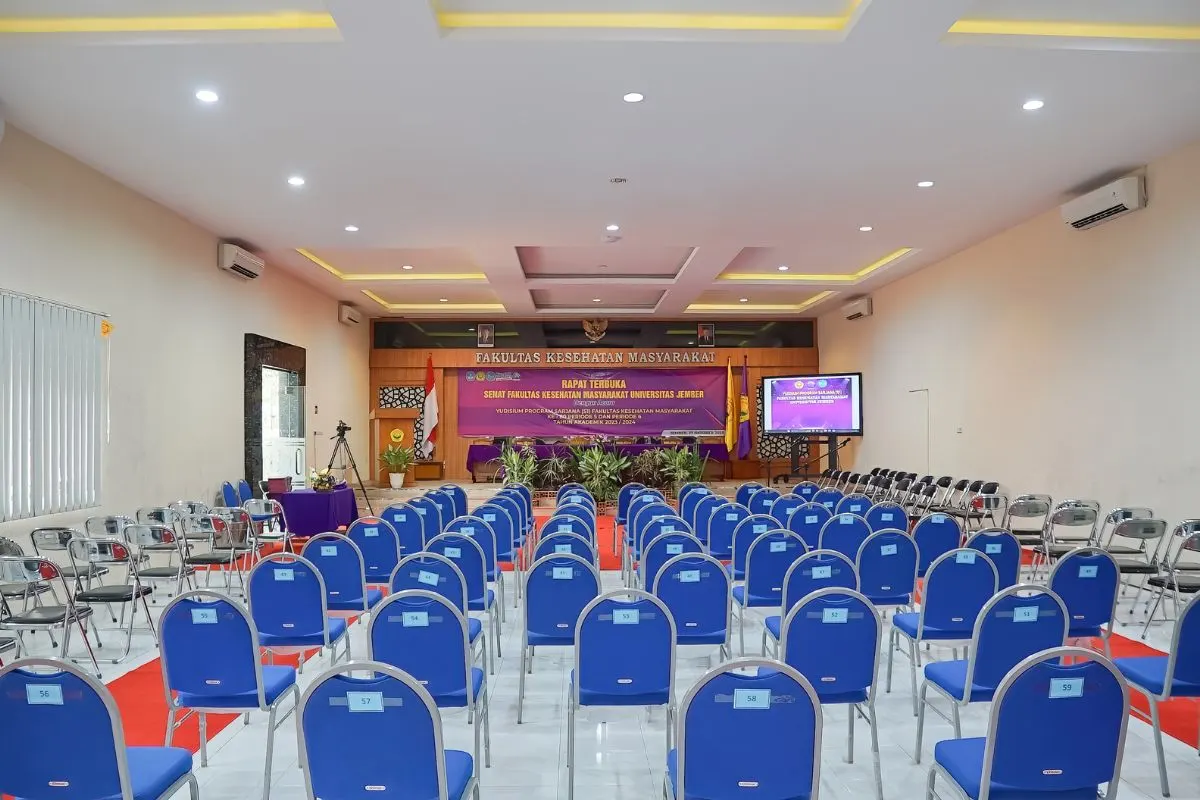
Your venue sets the tone for everything. It influences the mood, logistics, and how your brand is perceived. In Washington, DC, you have access to an incredible range of spaces, from historic landmarks and rooftop terraces to modern conference centers and converted warehouses in Navy Yard and Union Market.
What to Consider When Selecting a Venue
- Capacity and layout – Does the space fit your guest count with room for staging and flow?
- Location and accessibility – Is it Metro-accessible with nearby parking?
- Technical infrastructure – Adequate power, Wi-Fi, and AV capabilities?
- Ambiance – Does the space align with your event’s brand and tone?
- Vendor flexibility – Can you bring in preferred vendors or are in-house vendors required?
Visit your top venue choices in person before committing. Photos rarely capture how a space actually feels, and a walkthrough with your event production team can reveal logistical opportunities or challenges you wouldn’t spot otherwise.
Invest in Professional Event Production
Among all event planning tips, production quality is what separates a good event from a great one. Lighting, sound, staging, video, and technical coordination create the sensory environment that shapes how attendees experience your event. Even compelling content falls flat in a room with poor audio or harsh lighting.
Key production elements that elevate your event include:
- Professional sound design – Clear audio for speakers, panelists, and entertainment ensures your message is heard
- Dynamic lighting – Thoughtful lighting design sets the mood, highlights key moments, and guides attention
- Video and projection – Live video feeds, branded motion graphics, and screen content add visual energy
- Stage design – A well-designed stage creates a professional focal point and reinforces your brand
In Washington, DC, where events often feature high-profile speakers and media coverage, production quality matters even more. A polished production signals professionalism and ensures your message comes through clearly, no matter the size of the room.
Create a Strong Event Brand and Creative Identity
Every touchpoint of your event communicates something about your brand. From the invitation design to venue signage, speaker slides, and social media graphics, consistency matters.
A strong event creative strategy ties all elements into a cohesive visual identity, including your event logo, color palette, typography, and messaging. When every detail feels intentional, attendees perceive your event as more professional, credible, and memorable.
Don’t underestimate the power of great design. In DC, where attendees regularly experience high-caliber events hosted by government agencies and Fortune 500 companies, creative quality is a true differentiator.
Develop a Promotion Plan That Builds Momentum
Even the most beautifully produced event won’t succeed if nobody shows up. A strategic promotion plan builds awareness, generates excitement, and drives registrations in the weeks and months leading up to your event.
Effective Event Promotion Strategies
- Email marketing – Segment your audience and send targeted invitations, reminders, and countdown emails
- Social media campaigns – Use platform-specific content to engage your audience where they already spend time
- Influencer and partner outreach – Collaborate with speakers, sponsors, and community partners to amplify your reach
- PR and media relations – Especially valuable in DC, where media coverage can dramatically expand your event’s visibility
- Event listing sites – Platforms like Eventbrite and local DC event calendars drive organic discovery
Start promoting early and increase frequency as the event date approaches. Speaker announcements, behind-the-scenes previews, and attendee testimonials from past events all help build anticipation.
Master Day-Of Execution With a Detailed Run of Show
When event day arrives, the best event planning tips all point to one thing — preparation. A detailed run of show outlines every moment from load-in to teardown, assigning responsibilities, timing cues, and contingency plans.
Your run of show should include:
- Exact timing for each segment, including transitions and buffer time
- Technical cues for lighting, sound, and video changes
- Staff assignments and communication protocols
- Vendor arrival and setup schedules
- Emergency procedures and backup plans
Share this document with every team member and conduct a pre-event walkthrough. When something unexpected happens, and it always does, a well-prepared team can adapt without the audience ever noticing.
Measure Results and Gather Feedback
The work doesn’t end when the last guest leaves. A key event planning tip is measuring results against your original goals to learn what worked, what didn’t, and how to improve next time.
Post-event evaluation should include:
- Attendance and registration data – How did actual numbers compare to your targets?
- Engagement metrics – Social media mentions, app interactions, session attendance, and networking participation
- Attendee surveys – Send a brief survey within 24 to 48 hours while the experience is fresh
- Financial reconciliation – Compare actual spend to your original budget
- Team debrief – Gather input from staff, vendors, and partners on what went smoothly and what needs improvement
Document everything. This data becomes the foundation for your next event and helps you refine your approach over time.
Ready to Plan a Successful Event in Washington, DC?
Putting these event planning tips into practice takes expertise, creativity, and the right team. At Decibel Events, we partner with organizations across Washington, DC to produce events that connect, inspire, and deliver results. From creative development to full-scale production and day-of management, we handle every detail so you can focus on your guests.
Ready to get started? Contact Decibel Events today to schedule a free consultation and start planning your next standout event.
Frequently Asked Questions
How do you make an event successful on a limited budget?
Focus your spending on the elements that have the biggest impact on guest experience, typically venue, production quality, and catering. Cut costs on lower-priority items, negotiate with vendors, and consider hybrid or scaled-down formats. An experienced event management partner can help you maximize every dollar.
What are the best event planning tips for starting early?
For large-scale events like conferences, galas, or product launches, start planning six to twelve months in advance. Smaller events like corporate dinners or networking receptions can come together in two to three months. In Washington, DC, popular venues book up quickly, so securing your space early is critical.
What makes an event memorable for attendees?
Memorable events combine strong content, seamless logistics, and emotional resonance. Personalized touches, high production value, engaging speakers, and unexpected moments of delight all contribute. When attendees feel valued and inspired, they remember the experience long after it ends.
Do I need a professional event planner for a corporate event in DC?
While smaller internal gatherings can be managed in-house, professional support is recommended for public-facing or high-stakes events. DC’s event landscape involves specific venue requirements, permits, and vendor relationships that experienced planners navigate daily, saving you time and costly mistakes.
How do I choose the right event management company in Washington, DC?
Look for a company with a strong local portfolio, transparent communication, and end-to-end capabilities. Ask for references, review past case studies, and make sure their team understands your industry. The right partner feels like an extension of your own team.
How do you measure event success?
Event success is measured against the goals you set at the beginning. Common metrics include attendance rates, audience engagement, media coverage, lead generation, revenue, and post-event survey scores. Tracking these KPIs allows you to demonstrate ROI and continuously improve your events.