The Production and Design of the 2024 Oscars

The recent events at Burning Man 2023 have served as a stark reminder that even with the best intentions and thorough planning, nature can still throw curveballs at event organizers. The devastation that ensued following an unexpected rainstorm in Nevada left tens of thousands stranded and at least one casualty, signaling an alarm for event planners everywhere.
News stories like the ones emerging from Black Rock City the temporary venue built annually for Burning Man showcase why event planning can be considered one of the most stressful professions. Ensuring safety, managing logistics, and handling unexpected challenges are par for the course, especially when dealing with large-scale events.
LESSONS FROM BURNING MAN 2023
The sheer unpredictability of the weather is no longer something event planners can afford to sideline. As Jake Perez pointed out in his article on LinkedIn News, this year’s adverse weather conditions at Burning Man has reignited discussions among professionals about the critical importance of contingency planning, especially for outdoor events.
We as event professionals need to draw valuable lessons from this calamity to ensure a safer future for all attendees. Here are some suggestions to help keep your attendees safe and your event production running even during adverse weather:
- Revisit Your Emergency Plans Regularly: The climate crisis is real, and patterns are changing faster than most contingency plans can keep up with. A plan that might have worked two years ago could be rendered obsolete today. It’s crucial to review and update emergency plans regularly. Investing in training that focuses on severe weather management for outdoor events could also be invaluable.
- Educate and Communicate with Attendees: A knowledgeable crowd is a safe crowd. Clearly communicate potential risks and emergency protocols before and during the event. Use multiple communication channels, including social media, email, and onsite announcements.
- Engage Experts: Weather is unpredictable, but with a professional meteorologist on board, you can make better-informed decisions and possibly foresee problematic weather patterns in advance. This investment can make a difference in attendee safety and can help in creating a more weather-proof contingency plan.
- Resource Allocation: Ensure you have extra resources on hand, like water, food, shelter, and first aid. In the case of extreme events like Burning Man 2023, these resources can be the difference between life and death.
- Stress Test Your Plans: It’s one thing to have a plan, but another to know it works. Conduct regular drills and simulations to ensure that everyone involved, from security personnel to event staff, knows their roles during an emergency.
The jarring images and stories from Burning Man serve as a grim reminder of the challenges outdoor events face in our current climate reality. The fact that jokes were made about the ordeal, drawing comparisons to the infamous Fyre Festival, underscores the importance of taking these challenges seriously. For event professionals, the safety of attendees should always be paramount.
As we move forward, let’s use the lessons from Burning Man 2023 as a catalyst for change. Embracing the principles of contingency planning, communication, and continual learning will ensure a brighter and safer future for all events, regardless of their scale or location.
5 Main Elements of Successful Corporate Event Management

The recent events at Burning Man 2023 have served as a stark reminder that even with the best intentions and thorough planning, nature can still throw curveballs at event organizers. The devastation that ensued following an unexpected rainstorm in Nevada left tens of thousands stranded and at least one casualty, signaling an alarm for event planners everywhere.
News stories like the ones emerging from Black Rock City the temporary venue built annually for Burning Man showcase why event planning can be considered one of the most stressful professions. Ensuring safety, managing logistics, and handling unexpected challenges are par for the course, especially when dealing with large-scale events.
LESSONS FROM BURNING MAN 2023
The sheer unpredictability of the weather is no longer something event planners can afford to sideline. As Jake Perez pointed out in his article on LinkedIn News, this year’s adverse weather conditions at Burning Man has reignited discussions among professionals about the critical importance of contingency planning, especially for outdoor events.
We as event professionals need to draw valuable lessons from this calamity to ensure a safer future for all attendees. Here are some suggestions to help keep your attendees safe and your event production running even during adverse weather:
- Revisit Your Emergency Plans Regularly: The climate crisis is real, and patterns are changing faster than most contingency plans can keep up with. A plan that might have worked two years ago could be rendered obsolete today. It’s crucial to review and update emergency plans regularly. Investing in training that focuses on severe weather management for outdoor events could also be invaluable.
- Educate and Communicate with Attendees: A knowledgeable crowd is a safe crowd. Clearly communicate potential risks and emergency protocols before and during the event. Use multiple communication channels, including social media, email, and onsite announcements.
- Engage Experts: Weather is unpredictable, but with a professional meteorologist on board, you can make better-informed decisions and possibly foresee problematic weather patterns in advance. This investment can make a difference in attendee safety and can help in creating a more weather-proof contingency plan.
- Resource Allocation: Ensure you have extra resources on hand, like water, food, shelter, and first aid. In the case of extreme events like Burning Man 2023, these resources can be the difference between life and death.
- Stress Test Your Plans: It’s one thing to have a plan, but another to know it works. Conduct regular drills and simulations to ensure that everyone involved, from security personnel to event staff, knows their roles during an emergency.
The jarring images and stories from Burning Man serve as a grim reminder of the challenges outdoor events face in our current climate reality. The fact that jokes were made about the ordeal, drawing comparisons to the infamous Fyre Festival, underscores the importance of taking these challenges seriously. For event professionals, the safety of attendees should always be paramount.
As we move forward, let’s use the lessons from Burning Man 2023 as a catalyst for change. Embracing the principles of contingency planning, communication, and continual learning will ensure a brighter and safer future for all events, regardless of their scale or location.
Event Services Explained: Your Guide to Seamless Execution

The recent events at Burning Man 2023 have served as a stark reminder that even with the best intentions and thorough planning, nature can still throw curveballs at event organizers. The devastation that ensued following an unexpected rainstorm in Nevada left tens of thousands stranded and at least one casualty, signaling an alarm for event planners everywhere.
News stories like the ones emerging from Black Rock City the temporary venue built annually for Burning Man showcase why event planning can be considered one of the most stressful professions. Ensuring safety, managing logistics, and handling unexpected challenges are par for the course, especially when dealing with large-scale events.
LESSONS FROM BURNING MAN 2023
The sheer unpredictability of the weather is no longer something event planners can afford to sideline. As Jake Perez pointed out in his article on LinkedIn News, this year’s adverse weather conditions at Burning Man has reignited discussions among professionals about the critical importance of contingency planning, especially for outdoor events.
We as event professionals need to draw valuable lessons from this calamity to ensure a safer future for all attendees. Here are some suggestions to help keep your attendees safe and your event production running even during adverse weather:
- Revisit Your Emergency Plans Regularly: The climate crisis is real, and patterns are changing faster than most contingency plans can keep up with. A plan that might have worked two years ago could be rendered obsolete today. It’s crucial to review and update emergency plans regularly. Investing in training that focuses on severe weather management for outdoor events could also be invaluable.
- Educate and Communicate with Attendees: A knowledgeable crowd is a safe crowd. Clearly communicate potential risks and emergency protocols before and during the event. Use multiple communication channels, including social media, email, and onsite announcements.
- Engage Experts: Weather is unpredictable, but with a professional meteorologist on board, you can make better-informed decisions and possibly foresee problematic weather patterns in advance. This investment can make a difference in attendee safety and can help in creating a more weather-proof contingency plan.
- Resource Allocation: Ensure you have extra resources on hand, like water, food, shelter, and first aid. In the case of extreme events like Burning Man 2023, these resources can be the difference between life and death.
- Stress Test Your Plans: It’s one thing to have a plan, but another to know it works. Conduct regular drills and simulations to ensure that everyone involved, from security personnel to event staff, knows their roles during an emergency.
The jarring images and stories from Burning Man serve as a grim reminder of the challenges outdoor events face in our current climate reality. The fact that jokes were made about the ordeal, drawing comparisons to the infamous Fyre Festival, underscores the importance of taking these challenges seriously. For event professionals, the safety of attendees should always be paramount.
As we move forward, let’s use the lessons from Burning Man 2023 as a catalyst for change. Embracing the principles of contingency planning, communication, and continual learning will ensure a brighter and safer future for all events, regardless of their scale or location.
Maximize Impact with Top Trade Show Display

The recent events at Burning Man 2023 have served as a stark reminder that even with the best intentions and thorough planning, nature can still throw curveballs at event organizers. The devastation that ensued following an unexpected rainstorm in Nevada left tens of thousands stranded and at least one casualty, signaling an alarm for event planners everywhere.
News stories like the ones emerging from Black Rock City the temporary venue built annually for Burning Man showcase why event planning can be considered one of the most stressful professions. Ensuring safety, managing logistics, and handling unexpected challenges are par for the course, especially when dealing with large-scale events.
LESSONS FROM BURNING MAN 2023
The sheer unpredictability of the weather is no longer something event planners can afford to sideline. As Jake Perez pointed out in his article on LinkedIn News, this year’s adverse weather conditions at Burning Man has reignited discussions among professionals about the critical importance of contingency planning, especially for outdoor events.
We as event professionals need to draw valuable lessons from this calamity to ensure a safer future for all attendees. Here are some suggestions to help keep your attendees safe and your event production running even during adverse weather:
- Revisit Your Emergency Plans Regularly: The climate crisis is real, and patterns are changing faster than most contingency plans can keep up with. A plan that might have worked two years ago could be rendered obsolete today. It’s crucial to review and update emergency plans regularly. Investing in training that focuses on severe weather management for outdoor events could also be invaluable.
- Educate and Communicate with Attendees: A knowledgeable crowd is a safe crowd. Clearly communicate potential risks and emergency protocols before and during the event. Use multiple communication channels, including social media, email, and onsite announcements.
- Engage Experts: Weather is unpredictable, but with a professional meteorologist on board, you can make better-informed decisions and possibly foresee problematic weather patterns in advance. This investment can make a difference in attendee safety and can help in creating a more weather-proof contingency plan.
- Resource Allocation: Ensure you have extra resources on hand, like water, food, shelter, and first aid. In the case of extreme events like Burning Man 2023, these resources can be the difference between life and death.
- Stress Test Your Plans: It’s one thing to have a plan, but another to know it works. Conduct regular drills and simulations to ensure that everyone involved, from security personnel to event staff, knows their roles during an emergency.
The jarring images and stories from Burning Man serve as a grim reminder of the challenges outdoor events face in our current climate reality. The fact that jokes were made about the ordeal, drawing comparisons to the infamous Fyre Festival, underscores the importance of taking these challenges seriously. For event professionals, the safety of attendees should always be paramount.
As we move forward, let’s use the lessons from Burning Man 2023 as a catalyst for change. Embracing the principles of contingency planning, communication, and continual learning will ensure a brighter and safer future for all events, regardless of their scale or location.
Your Guide to Plan a Successful Corporate Event

The recent events at Burning Man 2023 have served as a stark reminder that even with the best intentions and thorough planning, nature can still throw curveballs at event organizers. The devastation that ensued following an unexpected rainstorm in Nevada left tens of thousands stranded and at least one casualty, signaling an alarm for event planners everywhere.
News stories like the ones emerging from Black Rock City the temporary venue built annually for Burning Man showcase why event planning can be considered one of the most stressful professions. Ensuring safety, managing logistics, and handling unexpected challenges are par for the course, especially when dealing with large-scale events.
LESSONS FROM BURNING MAN 2023
The sheer unpredictability of the weather is no longer something event planners can afford to sideline. As Jake Perez pointed out in his article on LinkedIn News, this year’s adverse weather conditions at Burning Man has reignited discussions among professionals about the critical importance of contingency planning, especially for outdoor events.
We as event professionals need to draw valuable lessons from this calamity to ensure a safer future for all attendees. Here are some suggestions to help keep your attendees safe and your event production running even during adverse weather:
- Revisit Your Emergency Plans Regularly: The climate crisis is real, and patterns are changing faster than most contingency plans can keep up with. A plan that might have worked two years ago could be rendered obsolete today. It’s crucial to review and update emergency plans regularly. Investing in training that focuses on severe weather management for outdoor events could also be invaluable.
- Educate and Communicate with Attendees: A knowledgeable crowd is a safe crowd. Clearly communicate potential risks and emergency protocols before and during the event. Use multiple communication channels, including social media, email, and onsite announcements.
- Engage Experts: Weather is unpredictable, but with a professional meteorologist on board, you can make better-informed decisions and possibly foresee problematic weather patterns in advance. This investment can make a difference in attendee safety and can help in creating a more weather-proof contingency plan.
- Resource Allocation: Ensure you have extra resources on hand, like water, food, shelter, and first aid. In the case of extreme events like Burning Man 2023, these resources can be the difference between life and death.
- Stress Test Your Plans: It’s one thing to have a plan, but another to know it works. Conduct regular drills and simulations to ensure that everyone involved, from security personnel to event staff, knows their roles during an emergency.
The jarring images and stories from Burning Man serve as a grim reminder of the challenges outdoor events face in our current climate reality. The fact that jokes were made about the ordeal, drawing comparisons to the infamous Fyre Festival, underscores the importance of taking these challenges seriously. For event professionals, the safety of attendees should always be paramount.
As we move forward, let’s use the lessons from Burning Man 2023 as a catalyst for change. Embracing the principles of contingency planning, communication, and continual learning will ensure a brighter and safer future for all events, regardless of their scale or location.
Behind the Scenes: Live Event Production Strategies Revealed

The recent events at Burning Man 2023 have served as a stark reminder that even with the best intentions and thorough planning, nature can still throw curveballs at event organizers. The devastation that ensued following an unexpected rainstorm in Nevada left tens of thousands stranded and at least one casualty, signaling an alarm for event planners everywhere.
News stories like the ones emerging from Black Rock City the temporary venue built annually for Burning Man showcase why event planning can be considered one of the most stressful professions. Ensuring safety, managing logistics, and handling unexpected challenges are par for the course, especially when dealing with large-scale events.
LESSONS FROM BURNING MAN 2023
The sheer unpredictability of the weather is no longer something event planners can afford to sideline. As Jake Perez pointed out in his article on LinkedIn News, this year’s adverse weather conditions at Burning Man has reignited discussions among professionals about the critical importance of contingency planning, especially for outdoor events.
We as event professionals need to draw valuable lessons from this calamity to ensure a safer future for all attendees. Here are some suggestions to help keep your attendees safe and your event production running even during adverse weather:
- Revisit Your Emergency Plans Regularly: The climate crisis is real, and patterns are changing faster than most contingency plans can keep up with. A plan that might have worked two years ago could be rendered obsolete today. It’s crucial to review and update emergency plans regularly. Investing in training that focuses on severe weather management for outdoor events could also be invaluable.
- Educate and Communicate with Attendees: A knowledgeable crowd is a safe crowd. Clearly communicate potential risks and emergency protocols before and during the event. Use multiple communication channels, including social media, email, and onsite announcements.
- Engage Experts: Weather is unpredictable, but with a professional meteorologist on board, you can make better-informed decisions and possibly foresee problematic weather patterns in advance. This investment can make a difference in attendee safety and can help in creating a more weather-proof contingency plan.
- Resource Allocation: Ensure you have extra resources on hand, like water, food, shelter, and first aid. In the case of extreme events like Burning Man 2023, these resources can be the difference between life and death.
- Stress Test Your Plans: It’s one thing to have a plan, but another to know it works. Conduct regular drills and simulations to ensure that everyone involved, from security personnel to event staff, knows their roles during an emergency.
The jarring images and stories from Burning Man serve as a grim reminder of the challenges outdoor events face in our current climate reality. The fact that jokes were made about the ordeal, drawing comparisons to the infamous Fyre Festival, underscores the importance of taking these challenges seriously. For event professionals, the safety of attendees should always be paramount.
As we move forward, let’s use the lessons from Burning Man 2023 as a catalyst for change. Embracing the principles of contingency planning, communication, and continual learning will ensure a brighter and safer future for all events, regardless of their scale or location.
Decibel Events: Top Event Planning Company in DC

The recent events at Burning Man 2023 have served as a stark reminder that even with the best intentions and thorough planning, nature can still throw curveballs at event organizers. The devastation that ensued following an unexpected rainstorm in Nevada left tens of thousands stranded and at least one casualty, signaling an alarm for event planners everywhere.
News stories like the ones emerging from Black Rock City the temporary venue built annually for Burning Man showcase why event planning can be considered one of the most stressful professions. Ensuring safety, managing logistics, and handling unexpected challenges are par for the course, especially when dealing with large-scale events.
LESSONS FROM BURNING MAN 2023
The sheer unpredictability of the weather is no longer something event planners can afford to sideline. As Jake Perez pointed out in his article on LinkedIn News, this year’s adverse weather conditions at Burning Man has reignited discussions among professionals about the critical importance of contingency planning, especially for outdoor events.
We as event professionals need to draw valuable lessons from this calamity to ensure a safer future for all attendees. Here are some suggestions to help keep your attendees safe and your event production running even during adverse weather:
- Revisit Your Emergency Plans Regularly: The climate crisis is real, and patterns are changing faster than most contingency plans can keep up with. A plan that might have worked two years ago could be rendered obsolete today. It’s crucial to review and update emergency plans regularly. Investing in training that focuses on severe weather management for outdoor events could also be invaluable.
- Educate and Communicate with Attendees: A knowledgeable crowd is a safe crowd. Clearly communicate potential risks and emergency protocols before and during the event. Use multiple communication channels, including social media, email, and onsite announcements.
- Engage Experts: Weather is unpredictable, but with a professional meteorologist on board, you can make better-informed decisions and possibly foresee problematic weather patterns in advance. This investment can make a difference in attendee safety and can help in creating a more weather-proof contingency plan.
- Resource Allocation: Ensure you have extra resources on hand, like water, food, shelter, and first aid. In the case of extreme events like Burning Man 2023, these resources can be the difference between life and death.
- Stress Test Your Plans: It’s one thing to have a plan, but another to know it works. Conduct regular drills and simulations to ensure that everyone involved, from security personnel to event staff, knows their roles during an emergency.
The jarring images and stories from Burning Man serve as a grim reminder of the challenges outdoor events face in our current climate reality. The fact that jokes were made about the ordeal, drawing comparisons to the infamous Fyre Festival, underscores the importance of taking these challenges seriously. For event professionals, the safety of attendees should always be paramount.
As we move forward, let’s use the lessons from Burning Man 2023 as a catalyst for change. Embracing the principles of contingency planning, communication, and continual learning will ensure a brighter and safer future for all events, regardless of their scale or location.
WEATHERING THE STORM: ENSURING SAFETY IN AN ERA OF CLIMATE UNCERTAINTY
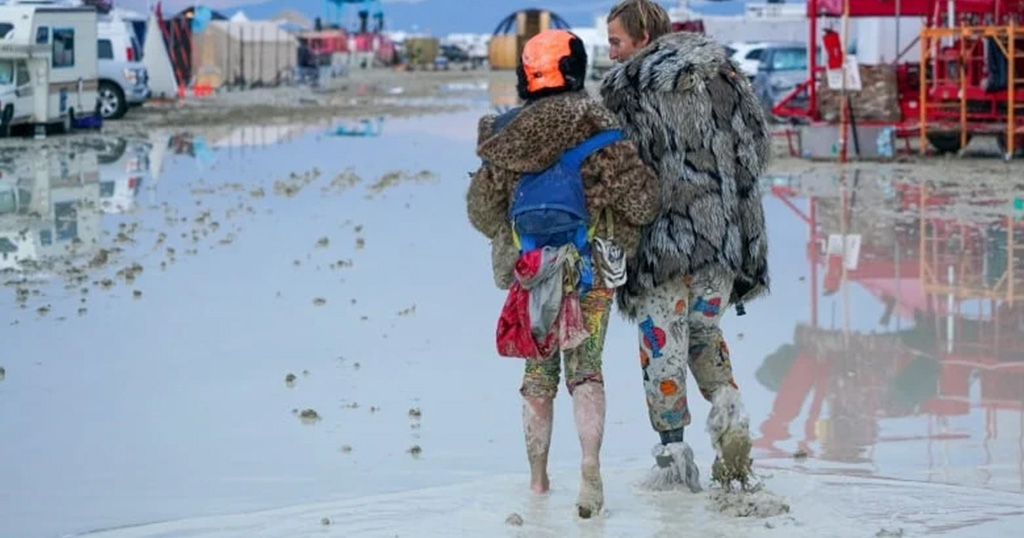
The recent events at Burning Man 2023 have served as a stark reminder that even with the best intentions and thorough planning, nature can still throw curveballs at event organizers. The devastation that ensued following an unexpected rainstorm in Nevada left tens of thousands stranded and at least one casualty, signaling an alarm for event planners everywhere.
News stories like the ones emerging from Black Rock City the temporary venue built annually for Burning Man showcase why event planning can be considered one of the most stressful professions. Ensuring safety, managing logistics, and handling unexpected challenges are par for the course, especially when dealing with large-scale events.
LESSONS FROM BURNING MAN 2023
The sheer unpredictability of the weather is no longer something event planners can afford to sideline. As Jake Perez pointed out in his article on LinkedIn News, this year’s adverse weather conditions at Burning Man has reignited discussions among professionals about the critical importance of contingency planning, especially for outdoor events.
We as event professionals need to draw valuable lessons from this calamity to ensure a safer future for all attendees. Here are some suggestions to help keep your attendees safe and your event production running even during adverse weather:
- Revisit Your Emergency Plans Regularly: The climate crisis is real, and patterns are changing faster than most contingency plans can keep up with. A plan that might have worked two years ago could be rendered obsolete today. It’s crucial to review and update emergency plans regularly. Investing in training that focuses on severe weather management for outdoor events could also be invaluable.
- Educate and Communicate with Attendees: A knowledgeable crowd is a safe crowd. Clearly communicate potential risks and emergency protocols before and during the event. Use multiple communication channels, including social media, email, and onsite announcements.
- Engage Experts: Weather is unpredictable, but with a professional meteorologist on board, you can make better-informed decisions and possibly foresee problematic weather patterns in advance. This investment can make a difference in attendee safety and can help in creating a more weather-proof contingency plan.
- Resource Allocation: Ensure you have extra resources on hand, like water, food, shelter, and first aid. In the case of extreme events like Burning Man 2023, these resources can be the difference between life and death.
- Stress Test Your Plans: It’s one thing to have a plan, but another to know it works. Conduct regular drills and simulations to ensure that everyone involved, from security personnel to event staff, knows their roles during an emergency.
The jarring images and stories from Burning Man serve as a grim reminder of the challenges outdoor events face in our current climate reality. The fact that jokes were made about the ordeal, drawing comparisons to the infamous Fyre Festival, underscores the importance of taking these challenges seriously. For event professionals, the safety of attendees should always be paramount.
As we move forward, let’s use the lessons from Burning Man 2023 as a catalyst for change. Embracing the principles of contingency planning, communication, and continual learning will ensure a brighter and safer future for all events, regardless of their scale or location.
Embracing The Magic: Lessons From The Oscars 2023

Just like a well-crafted film, every live event tells a story. It is no surprise, then, that we found ourselves spellbound by the 2023 Oscars, a celebration of narratives, craftsmanship, and the artists who bring stories to life. Here are some observations and lessons that we, as event professionals, can draw from this year’s Academy Awards.

CAPTURING THE ART OF PRODUCTION
The Oscars this year did a phenomenal job of honoring not only the final product but the extensive work that goes on behind the scenes. The opening segment set the stage for recognizing the vast array of artists and staffers involved in creating cinematic magic. A vital takeaway for our industry is the power of transparency – the more we shed light on what goes into making an event successful, the more we can engage and awe our audience.
THE POWER OF DESIGN
The art deco production design was a feast for the eyes, using content across the staging to reinforce the message being delivered. This approach is something all event planners can learn from – design can be an effective tool to highlight your event’s core message, thereby enhancing audience engagement and facilitating content capture.
Screens and scenic content have emerged as game-changers in event planning, often underutilized in corporate events. They offer an upgrade from standard PowerPoint presentations and can elevate productions to a broadcast level. The Oscars showed us how scenic design can also create distinct sections or vignettes for different activities, keeping the event fresh throughout without needing drastic set changes.
MANAGING DISRUPTIONS
Every event organizer knows the unexpected can, and often does, happen. For the Oscars, it was a peculiar headpiece in the audience that could potentially obstruct the view for others. This situation serves as a reminder for event planners to anticipate possible disruptions and have contingency plans in place.

CELEBRATING TALENT
This year’s Oscars showcased numerous powerful female performances, notably Rihanna’s mesmerizing act, and Lady Gaga’s raw energy on stage. Their distinctive performances were a testament to the diverse talents in the industry and a reminder to event organizers to curate a variety of talents that can cater to a diverse audience.
STRIKING THE RIGHT BALANCE
One image that resonates with us was a camera positioned directly in front of the stage, capturing presenter and audience in one shot. It underscored the ever-present challenge event planners face: balancing the needs of in-person and virtual audiences. While the perspective was perfect for TV viewers, it may not have provided the best view for in-person attendees. This serves as a reminder that event planning often involves trade-offs and finding the right balance to serve all attendees effectively.
LIGHTING THE WAY
The Oscars’ lighting was exceptionally well executed, especially during musical numbers. It showcased how good lighting can set the mood, enhance scenic design, and even highlight audience seating. While budget constraints may prevent corporate events from following suit entirely, there’s no denying that strategic lighting can significantly enhance an event’s atmosphere.

EMBRACING TECH
In a nod to technology’s ubiquity, we noticed QR codes on screen, providing an efficient way to share content with the home audience. This simple tool has been revitalized during the pandemic and has potential applications for live events as well.
THE ART OF EDITING
Reflecting on the Oscars, less can indeed be more. More clips and less banter could have made the show more compelling. This is a lesson for all event organizers – the essence of an impactful event often lies in its simplicity and the ability to deliver a succinct, captivating experience.
In conclusion, the Oscars 2023 gave us much to mull over. They were a testament to the power of the collective effort, the magic of well-executed design, and the importance of maintaining a delicate balance between different elements. For us in the corporate event industry, these are lessons worth emulating as we continue to strive for excellence in crafting unforgettable experiences.
EMERGENCY EVENT ACTION PLANNING: A HIGH WIND ACTION PLAN
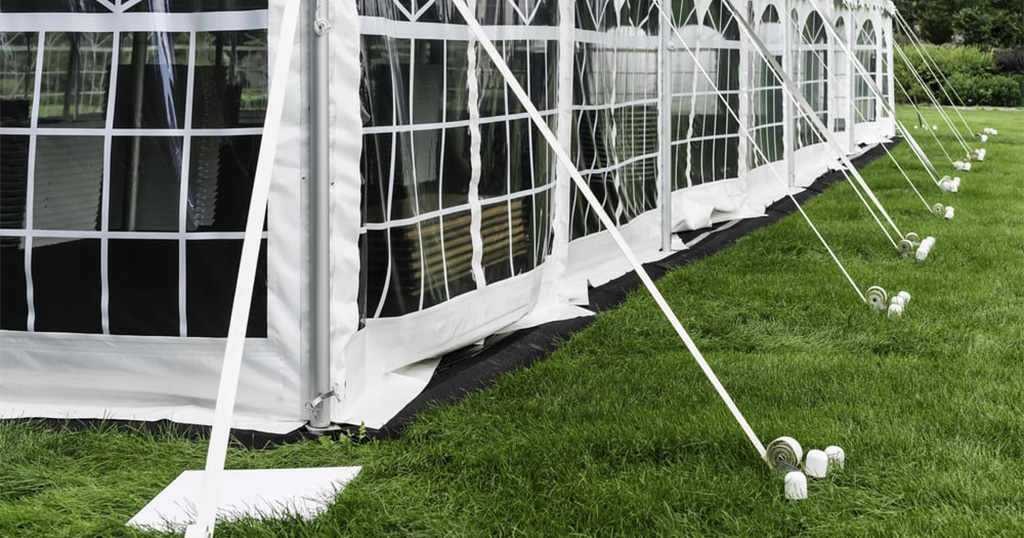
Continuing our Safety Series is a quick look into how we approach weather and safety. We produce a number of outdoor events, from street teams and mobile marketing that may have 10×10 EZ-Up tents all the way to 7 city blocks of major engineered structures.
Over the years, we have seen so, so many mistakes. I see this a lot on a personal level with the smaller tents- ZIP TIES are not structural!! I have seen the smaller tents zip tied to 5lb hand weights etc.
 Image via Flickr by artistmac
I have also seen major accidents (Sugarland, the recent GP sailing accidents, etc). At an airshow we produced we subcontracted a raising roof grid structure from a local midwest vendor. This just happened to be the Sugarland stage that had the tragic accident less than a month later. What we saw when we rented this was a concern all around.
Why use water ballast? Because we know the weight of water. at 8lbs a gallon, this is an easy and mobile way to weigh down your structure. What else? Stakes at 36-48″ depending on your engineering diagrams as well as concrete blocks that are weighted are all useful methods. We stay away from “found” methods onsite (e.g. attaching to something found onsite).
Also, we have a HWAP policy. When we deploy large structures we have a set plan that is approved in advance. This includes a scale of wind speeds and actions that we employ when those speeds are reached. There is NO discussion onsite, just implementation. This ensures that there is no delay or waffling to “see what happens” or trying to keep a crowd nearby so the event isnt cancelled. This is intended to ensure Life Safety comes first,
HIGH WIND ACTION PLAN (HWAP) Wind Ratings:
20MPH: Safety team is assembled and on alert (within 5 minutes) and remains on alert until wind stays below 25MPH for 30 minutes.
25MPH: Wind wall and backdrop are lowered to stage level and secured. Backdrop to be removed within 10 minutes.
30MPH: Remove all fabric panels to create an open structure. All panels removed within 15 minutes.
40MPH: CEASE ALL SHOW OPERATIONS. Evacuate audience members and crew except HWAP personnel. Do not lower roof, do not climb structure.
67.5MPH: Evacuate all personnel from within the vicinity of the structure and do not return until winds fall below 40MPH.
We also employ a meteorology team out of Oklahoma when we produce large-scale events and build outdoor structures. This gives us access to an extended forecast, real time lightning awareness as well as windspeed and rain activity. We have an on-call meteorology team that we have access to in order to evaluate any issues that come up throughout the event.